Colon cancer was once considered a disease that mainly affected people over the age of 60. However, in recent years, doctors across the world have noticed a concerning trend—more young adults are being diagnosed with colon cancer in their 40s and even earlier.
According to the World Health Organization, colorectal cancer is now among the most common cancers globally, and the incidence of early-onset colon cancer is steadily rising. This shift highlights the importance of awareness, early detection, and lifestyle changes.
In this article, Dr. Asit Arora, Clinical Lead of GI & HPB Surgical Oncology, explains why colon cancer is increasing among younger adults, the warning signs to watch for, and when to seek medical advice.
Why Colon Cancer is Increasing in Young Adults
Over the past two decades, healthcare professionals have observed a rise in colon cancer cases among people under 50. Researchers believe that several modern lifestyle and environmental factors may be contributing to this trend.
1. Obesity and Sedentary Lifestyle
A major risk factor for colon cancer is obesity. Lack of physical activity and prolonged sitting can disrupt metabolism and increase inflammation in the body, which may promote cancer development.
2. Processed and Low-Fiber Diet
Modern diets high in processed foods, red meat, sugar, and refined carbohydrates are linked to a higher risk of colon cancer. At the same time, many people consume very little fiber, which is essential for maintaining colon health.
3. Gut Microbiome Imbalance
The gut microbiome—the community of bacteria living in the digestive system—plays a crucial role in maintaining intestinal health. Poor diet, stress, antibiotics, and environmental toxins can disrupt this balance, potentially increasing cancer risk.
4. Environmental Triggers
Exposure to pollutants, food additives, and lifestyle stressors may also contribute to the rising incidence of colon cancer in younger populations.
Warning Symptoms You Should Never Ignore
One of the biggest challenges with colon cancer is that many early symptoms are ignored or mistaken for common digestive issues. Young people often assume they are “too young” to have cancer and delay seeking medical advice.
Watch out for these warning signs:
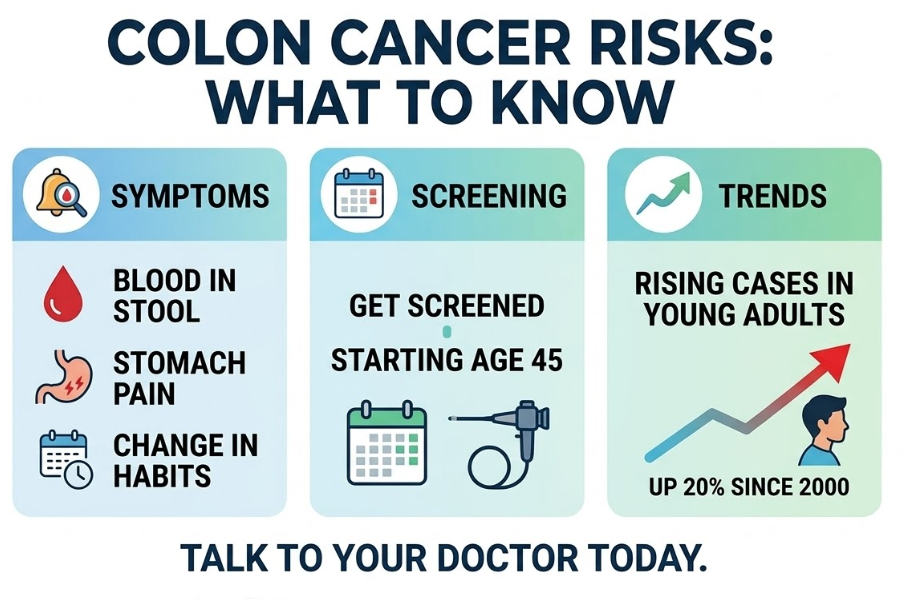
- Blood in stool or rectal bleeding
- Persistent abdominal pain or cramping
- Unexplained weight loss
- Loss of appetite
- Changes in bowel habits (diarrhea or constipation lasting several weeks)
- Fatigue or weakness
If you experience any of these symptoms, it is important to consult a medical professional for evaluation.
Why Early Detection is Crucial
When colon cancer is detected early, treatment outcomes are significantly better. Screening tests such as colonoscopy can detect precancerous polyps and allow doctors to remove them before they turn into cancer.
Early diagnosis can mean:
- Less aggressive treatment
- Higher survival rates
- Better quality of life after treatment
For individuals with a family history of colorectal cancer or persistent symptoms, early screening is strongly recommended.
How to Reduce Your Risk of Colon Cancer
Although some risk factors cannot be changed, several lifestyle habits can significantly reduce the chances of developing colon cancer.
Maintain a Healthy Diet
Eat more fiber-rich foods such as fruits, vegetables, whole grains, and legumes.
Exercise Regularly
At least 30 minutes of physical activity most days of the week can improve overall digestive health.
Limit Processed and Red Meat
Reducing processed foods and high-fat diets may help protect colon health.
Avoid Smoking and Excess Alcohol
Both smoking and heavy alcohol consumption are associated with increased cancer risk.
Consider Screening
If you have symptoms or a family history of colon cancer, talk to your doctor about screening tests.
Frequently Asked Questions (FAQs)
1. Can young people really get colon cancer?
Yes. While colon cancer is more common in older adults, cases in people under 50 are increasing globally.
2. What age should colon cancer screening start?
Most guidelines recommend starting screening at age 45, but people with a family history may need earlier screening.
3. Is colon cancer curable?
If detected early, colon cancer is highly treatable and often curable.
4. What are the earliest symptoms of colon cancer?
Common early signs include rectal bleeding, changes in bowel habits, abdominal discomfort, and unexplained weight loss.
5. Does diet affect colon cancer risk?
Yes. Diets high in processed foods and low in fiber are linked to a higher risk of colon cancer.
When Should You See a Doctor?
If you experience persistent digestive symptoms, bleeding, or unexplained weight loss, it is important to seek medical advice. Early evaluation can make a critical difference in diagnosis and treatment.
Colon cancer is no longer just a disease of older adults. Awareness, healthy lifestyle choices, and early detection are key to preventing serious complications.
If you have symptoms or concerns about colon cancer, consult Dr. Asit Arora, an expert in GI & HPB Surgical Oncology, for professional guidance and treatment options.
Early diagnosis can save lives—don’t ignore the warning signs.