Dr. Asit Arora
Introduction: Does Eating Non-Veg Food Cause Cancer?
One of the most common questions patients ask today is whether eating non-vegetarian food increases the risk of cancer. With conflicting information on the internet, it’s easy to feel confused or worried.
The truth is more nuanced than a simple yes or no.
Scientific research shows that certain types of meat, especially when processed or consumed in excess, may increase cancer risk — but food alone is never the sole cause. Lifestyle, genetics, cooking methods, and overall dietary patterns play a much bigger role.
This article explains the science-based facts behind non-veg food and cancer risk, so you can make informed and balanced health decisions.
Scientific Classification of Meat in Relation to Cancer
The World Health Organization (WHO) and its cancer research body, the International Agency for Research on Cancer (IARC), have classified meat based on the strength of evidence linking it to cancer.
1. Processed Meat – Group 1 Carcinogen
Processed meats include:
- Sausages
- Bacon
- Ham
- Salami
- Hot dogs
- Smoked or cured meats
These are classified as Group 1 carcinogens, meaning there is strong evidence they can increase cancer risk — especially colorectal cancer.
This classification reflects certainty of evidence, not how dangerous it is compared to smoking or alcohol.
2. Red Meat – Group 2A (Probably Carcinogenic)
Red meat includes:
- Beef
- Pork
- Lamb
- Goat
Red meat is classified as “probably carcinogenic”, mainly linked to colorectal cancer when consumed in large quantities over time.
3. White Meat and Fish
- Poultry and fish are not classified as carcinogenic
- Fish consumption may even be protective due to omega-3 fatty acids
Why Processed and Red Meat May Increase Cancer Risk
1. Chemical Changes During High-Heat Cooking
Grilling, frying, and barbecuing meat at high temperatures can produce harmful compounds such as:
- Heterocyclic amines (HCAs)
- Polycyclic aromatic hydrocarbons (PAHs)
These chemicals can damage DNA and promote cancer development.
2. Preservatives in Processed Meats
Processed meats often contain:
- Nitrates
- Nitrites
These can convert into N-nitroso compounds in the digestive system, which are known carcinogens.
3. Heme Iron Content
Red meat contains heme iron, which may:
- Promote oxidative stress
- Increase formation of cancer-promoting compounds in the gut
4. Chronic Inflammation
Diets high in processed meats and saturated fats may contribute to:
- Chronic inflammation
- Insulin resistance
- Obesity
All of these are established cancer risk factors.
Cancer Risk Is Not Just About Food
It’s important to understand that cancer is multifactorial. Meat consumption alone rarely causes cancer.
Major Risk Factors Include:
- Obesity and excess body fat
- Physical inactivity
- Smoking and alcohol consumption
- Poor gut health
- Family history and genetics
- Chronic stress and inflammation
In fact, an unhealthy lifestyle combined with frequent processed meat intake carries a much higher risk than meat consumption alone.
How Much Meat Is Considered Safe?
Practical, Evidence-Based Guidelines
- Limit processed meat as much as possible
- Restrict red meat to moderate portions
- Choose lean cuts
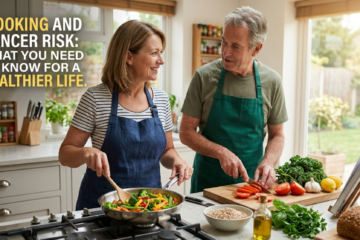
- Prefer boiled, steamed, or baked cooking methods
- Avoid charring or burning meat
Balance Your Plate
A cancer-protective diet should include:
- Vegetables and fruits
- Whole grains
- Pulses and legumes
- Healthy fats (nuts, seeds, olive oil)
This dietary balance reduces inflammation and supports gut health.
Should You Stop Eating Non-Veg Food Completely?
For most people, complete avoidance is not necessary.
✔ Occasional, moderate consumption
✔ Healthy cooking methods
✔ Balanced lifestyle
These factors significantly reduce potential risks.
However, individuals with:
- Family history of colorectal cancer
- Obesity or metabolic disorders
- Existing gastrointestinal conditions
may benefit from stricter limits and personalized medical advice.
Key Takeaways
- Processed meats increase cancer risk and should be limited
- Red meat may increase risk when consumed in excess
- Cooking methods matter as much as food choice
- Overall lifestyle has a greater impact than meat alone
- Moderation, not fear, is the key to long-term health
Final Words from Dr. Asit Arora
Non-vegetarian food can be part of a healthy diet when consumed mindfully. Instead of focusing on extremes, aim for balance, moderation, and evidence-based choices.
Your long-term cancer risk is shaped far more by your daily habits, body weight, activity level, and food quality than by any single meal.