
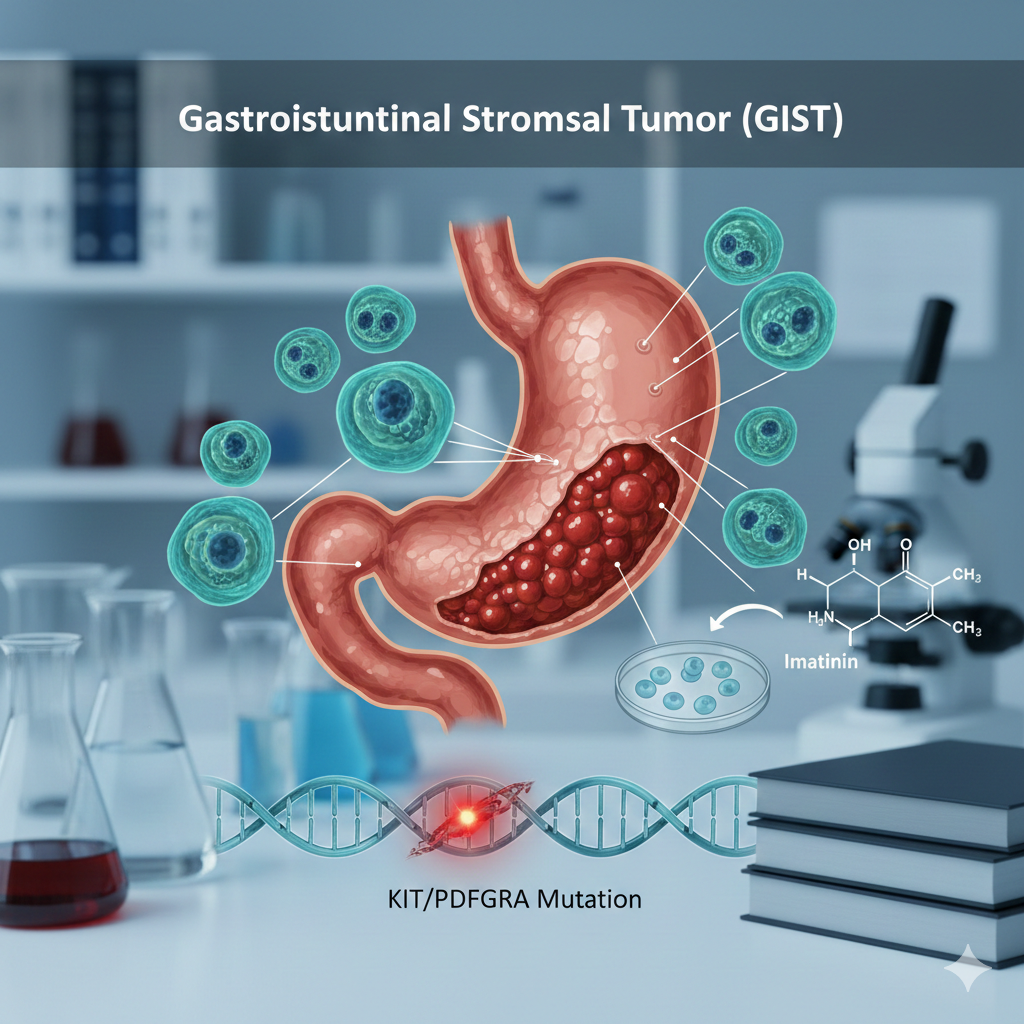
A Rare but Highly Curable Cancer of the Stomach and Intestine
Many people have never heard of GIST (Gastrointestinal Stromal Tumor)—yet it is one of the most important rare cancers affecting the stomach and intestines. What makes GIST particularly challenging is that it is often silent in its early stages, showing few or no symptoms.
According to Dr. Asit Arora, Senior GI & HPB Oncosurgeon, early diagnosis and the right treatment approach can make GIST highly curable, even in advanced cases.
What Is GIST?
Gastrointestinal Stromal Tumors (GISTs) are rare tumors that develop in the digestive tract, most commonly in:
- Stomach (60–70%)
- Small intestine
- Less commonly in the esophagus, colon, or rectum
GISTs arise from specialized cells in the gastrointestinal tract called Interstitial Cells of Cajal, which help regulate digestion.
Why Is GIST Often Silent in Early Stages?
One of the biggest challenges with GIST is that early tumors grow slowly and may not interfere with digestion initially. Many patients remain unaware until the tumor grows larger or is found incidentally during tests for another condition.
This is why awareness of symptoms—and consulting an experienced GI cancer specialist—is critical.
Symptoms of GIST to Look Out For
Dr. Asit Arora emphasizes that symptoms may appear gradually and are often ignored. Warning signs include:
- Persistent abdominal pain or discomfort
- Unexplained fatigue or weakness
- Black or bloody stools
- Feeling full quickly after eating
- Unexplained weight loss
- Abdominal swelling or a palpable lump
- Vomiting or nausea in advanced cases
👉 If these symptoms persist, early evaluation can be life-saving.
How Is GIST Diagnosed?
Accurate diagnosis requires specialized testing, including:
- CT scan or MRI of the abdomen
- Endoscopy or endoscopic ultrasound
- Biopsy with molecular testing (KIT/PDGFRA mutations)
Proper diagnosis is essential because GIST behaves differently from other stomach or intestinal cancers.
Why GIST Is Highly Curable with the Right Treatment
The good news: GIST is one of the most treatable GI cancers when managed correctly.
1. Surgery – The Primary Treatment
For localized GIST, complete surgical removal offers excellent long-term outcomes. Minimally invasive and robotic techniques may be used in selected cases.
2. Targeted Therapy
Unlike traditional chemotherapy, GIST responds extremely well to targeted medications such as imatinib, which specifically attack cancer-driving mutations.
3. Personalized Treatment Planning
Dr. Asit Arora highlights that treatment is tailored based on:
- Tumor size
- Location
- Mutation type
- Risk of recurrence
With the right combination of surgery and targeted therapy, survival rates are very high, even in advanced or recurrent cases.
Why Choose an Experienced GI Cancer Surgeon?
Because GIST is rare, outcomes are best when treated by a specialist in GI and HPB cancers. Expertise ensures:
- Accurate diagnosis
- Complete tumor removal
- Correct use of targeted therapy
- Long-term monitoring and follow-up
Final Words from Dr. Asit Arora
“GIST may be rare and silent, but it is one of the most curable gastrointestinal cancers when detected early and treated correctly. Awareness, timely diagnosis, and expert care make all the difference.”
If you or a loved one experience persistent digestive symptoms, do not ignore them—early consultation can change outcomes.