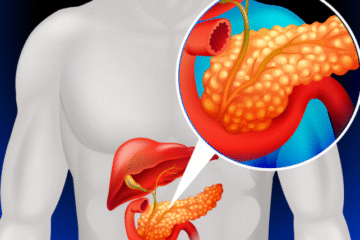
Pancreatic cancer is often called one of the most challenging cancers because it rarely shows symptoms in its early stages. Many patients are diagnosed only when the disease has already advanced. While not all cases can be prevented, protecting your pancreas through healthy lifestyle choices can significantly reduce your risk.
The good news? Small, consistent habits can make a big difference. Here are three simple yet powerful ways to protect your pancreas and lower your risk of pancreatic cancer.
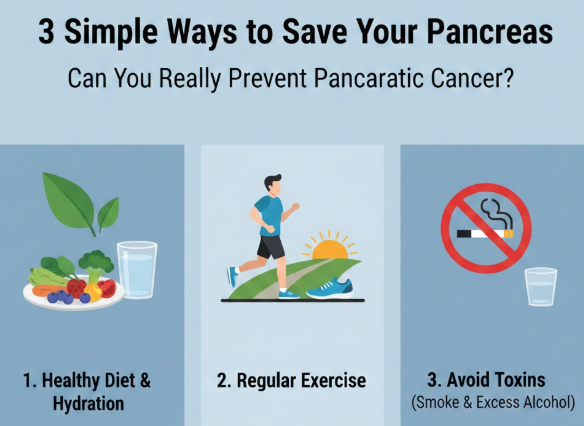
1. Quit Smoking and Limit Alcohol Intake
Smoking is one of the strongest risk factors for pancreatic cancer. Studies show that smokers are two to three times more likely to develop pancreatic cancer than non-smokers. Tobacco toxins damage pancreatic cells, increasing the risk of cancerous changes over time.
Excessive alcohol consumption can also lead to chronic pancreatitis, a long-term inflammation of the pancreas that raises cancer risk.
What you can do:
- Quit smoking completely—there is no safe level
- Limit alcohol intake or avoid it altogether
- Seek professional help if quitting feels difficult
2. Maintain a Healthy Weight and Stay Active
Obesity and a sedentary lifestyle are closely linked to pancreatic cancer. Excess body fat affects insulin levels and causes chronic inflammation, both of which can stress the pancreas.
Even moderate physical activity can help regulate blood sugar levels and reduce inflammation.
What you can do:
- Aim for at least 30 minutes of physical activity most days
- Maintain a balanced body weight
- Manage diabetes effectively under medical supervision
3. Eat a Pancreas-Friendly Diet
Your diet plays a major role in pancreatic health. Diets high in processed foods, red meat, and sugary beverages increase inflammation and strain the pancreas.
A nutrient-rich, plant-forward diet supports digestion and reduces cancer risk.
What to include in your diet:
- Fresh fruits and vegetables
- Whole grains and legumes
- Lean proteins like fish and nuts
- Healthy fats such as olive oil
What to limit:
- Fried and processed foods
- Excess sugar and refined carbohydrates
- Red and processed meats
Can Pancreatic Cancer Be Completely Prevented?
There is no guaranteed way to prevent pancreatic cancer. Factors such as age, genetics, and family history are beyond our control. However, up to 40% of cases are linked to modifiable lifestyle factors, making prevention strategies extremely important.
Early detection remains a challenge, which is why listening to warning signs is crucial. Symptoms like unexplained weight loss, persistent abdominal pain, jaundice, or new-onset diabetes should never be ignored.
When Should You See a Specialist?
If you have:
- A family history of pancreatic cancer
- Chronic pancreatitis
- Long-standing diabetes or sudden worsening of sugar control
Consulting a GI cancer specialist can help assess your risk and guide timely investigations.
Expert Care Matters
Pancreatic cancer requires early diagnosis, advanced surgical expertise, and a multidisciplinary approach. With advancements in minimally invasive and robotic surgery, outcomes have improved significantly when treated by experienced specialists.
Conclusion
Protecting your pancreas doesn’t require drastic changes—just consistent, healthy choices. Quitting smoking, maintaining a healthy weight, and eating a balanced diet can go a long way in reducing your risk of pancreatic cancer.
Your pancreas works silently for you every day. It’s time to protect it—before it’s too late.