
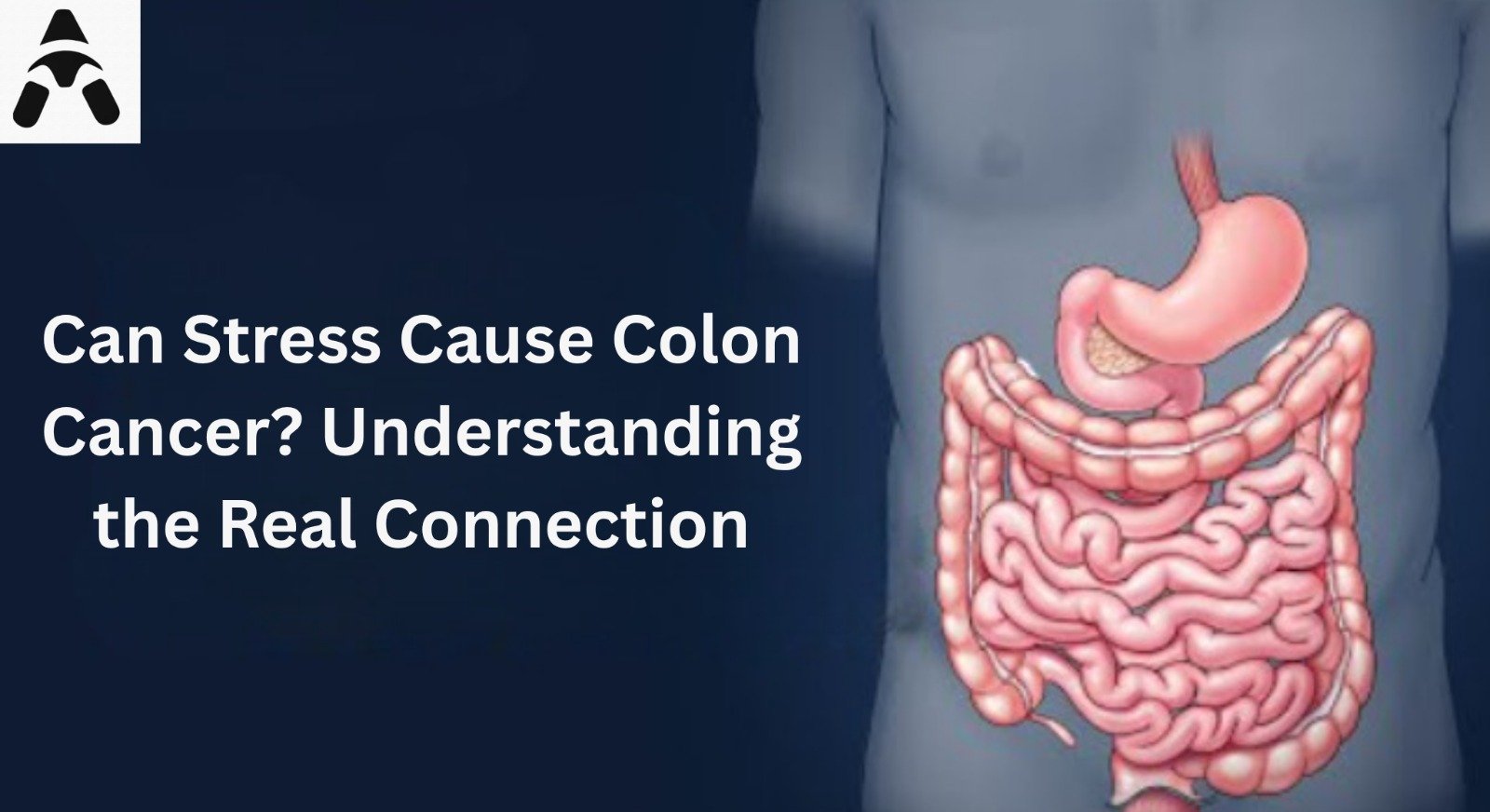
You may have heard that stress is bad for your health. When you are dealing with constant work pressure, poor sleep, anxiety, or family worries, you may wonder something more serious: Can stress actually cause colon cancer?
The short answer is: stress has not been proven to cause colon cancer. Research looking at stress and cancer risk has produced mixed results, and newer reviews have not found consistent evidence that psychological stress itself increases cancer incidence.
That said, stress still matters. Long-term stress can affect sleep, eating habits, physical activity, alcohol or tobacco use, and overall well-being. These indirect effects can influence established cancer-risk factors.
So, instead of blaming stress for colon cancer, it is more useful to understand what the evidence actually says, which symptoms should not be ignored, and how screening can help detect colon cancer early.
What Is the Connection Between Stress and Colon Cancer?
Colon cancer, also called colorectal cancer when it involves the colon or rectum, develops when abnormal cells grow uncontrollably in the lining of the large intestine.
Stress, on the other hand, is the body’s response to physical or emotional pressure. Short-term stress is a normal response. The concern is when stress continues for a long time and starts affecting everyday health and lifestyle habits.
Can Stress Directly Cause Colon Cancer?
There is currently no consistent evidence that psychological stress directly causes colon cancer.
Research has produced different findings. For example, one large Japanese cohort study found an association between perceived stress and rectal cancer but not colon cancer, while another prospective study found no relationship between perceived stress and colorectal cancer.
A 2026 systematic review and meta-analysis of studies also found no consistent association between psychological stress and cancer incidence, although the authors noted that the available evidence was limited and varied in quality.
This is important because you should not assume that being stressed caused someone’s colon cancer.
Why Do People Associate Stress With Cancer?
Think of stress as a domino effect rather than a single switch.
Chronic stress may contribute to:
- Poor sleep
- Less physical activity
- Changes in appetite and food choices
- Smoking or increased alcohol consumption
- Weight gain
- Difficulty maintaining healthy routines
- Delaying medical check-ups or screening
A review of psychosocial stress and cancer risk has highlighted these behavioural pathways alongside possible biological mechanisms involving hormones and immune responses.
So, stress management is worthwhile for overall health, but it should not replace evidence-based cancer prevention and screening.
What Are the Established Risk Factors for Colon Cancer?
If you are worried about colon cancer, focus on the factors that doctors can actually evaluate.
Important colorectal cancer risk factors include:
- Increasing age
- A family history of cancer
- Certain inherited conditions, such as Lynch syndrome or familial adenomatous polyposis
- Previous colorectal polyps
- Inflammatory bowel disease
- Obesity
- Smoking
- Unhealthy alcohol use
- Certain dietary and lifestyle patterns
Age is particularly important. For average-risk adults, the U.S. Preventive Services Task Force recommends cancer screening beginning at age 45, although screening decisions can differ depending on personal and family history.
In India, colorectal cancer is also a health concern. According to IARC’s GLOBOCAN 2022 data, 43,360 new colorectal cancer cases were recorded among men and 26,678 among Indian women, making colorectal cancer one of the leading cancer sites nationally.
What Symptoms of Colon Cancer Should You Never Ignore?
Stress can cause symptoms such as changes in bowel habits or abdominal discomfort. But that does not mean every bowel symptom is “just stress.”
See a doctor if you notice persistent or unexplained:
- Blood in the stool
- A lasting change in bowel habits
- Persistent constipation or diarrhea
- Narrower-than-usual stools
- Unexplained weight loss
- Ongoing abdominal pain or cramping
- Excessive tiredness or weakness
- A feeling that your bowel is not emptying completely
How Do You Know Whether It Is Stress or Something More?
Persistent, new, worsening, or unexplained bowel symptoms deserve medical evaluation rather than being automatically blamed on stress.
A doctor may consider your symptoms, age, family history, medications, examination findings, and other risk factors before deciding whether investigations are needed.
Sometimes the cause may be something common, such as hemorrhoids, irritable bowel syndrome, an infection, or dietary changes. Because some colorectal cancers can initially produce subtle symptoms, it is better to investigate persistent warning signs.
Can Stress Make Digestive Problems Worse?
Yes, stress can change how your digestive system works and feels. That does not mean stress has caused cancer.
Your brain and digestive system communicate with each other all the time. When you feel stressed, some people experience bloating, tummy aches, changes in bowel movements, or increased awareness of digestive sensations.
This is why some people feel that their stomach and mind are connected.
The connection is real, but it is important not to use stress as the only explanation for symptoms that continue or include warning signs such as bleeding or unexplained weight loss.
How Can You Reduce Your Colon Cancer Risk?
You cannot control every risk factor, such as age or inherited genetics. However, there are practical steps that can support colorectal health.
1. Follow a Screening Plan
Screening can find colorectal cancer early and, depending on the test, can also identify growths that may turn into cancer.
Screening options can include stool-based tests and examinations such as colonoscopy. The right test and how often you need it depend on your age, risk profile, previous results, and medical history.
2. Don’t Ignore Symptoms
If something changes and stays changed, get it checked.
Waiting for symptoms to go away because you think they are caused by stress can sometimes delay finding a medical problem.
3. Keep Moving
Exercise is an important part of a healthy lifestyle and may also help with stress, sleep, and maintaining a healthy weight.
4. Look After Your Diet
A balanced diet with enough fiber from healthy food sources can support bowel health. Your individual dietary needs may be different, especially if you already have a medical condition.
5. Manage Stress for the Right Reasons
Managing stress is good for your overall health, sleep, and quality of life. However, avoiding stress does not guarantee protection from colon cancer.
Walking, exercise, relaxation practices, adequate sleep, social support, and professional
The Fix: What Does the Evaluation Process Look Like?
Every patient is different, but the general evaluation pathway may look like this:
| Step | What Usually Happens |
| 1. Consultation | Symptoms, duration, medical history, and family history are discussed. |
| 2. Risk Assessment | Age and personal or family risk factors are reviewed. |
| 3. Examination & Tests | Appropriate tests are considered based on the overall picture. |
| 4. Diagnosis | Results are reviewed to identify the cause. |
| 5. Treatment Planning | If a condition is found, treatment is tailored to the individual. |
| 6. Follow-up | Further monitoring or treatment is planned when needed. |
The key takeaway is simple: do not spend months wondering whether stress is the reason for a persistent symptom. Get the symptom assessed.
Frequently Asked Questions
Can stress cause colon cancer?
Stress has not been proven to cause colon cancer. Research on stress and cancer incidence is inconsistent, so stress alone should not be taken as a confirmed cause of colorectal cancer.
Can anxiety cause blood in the stool?
Anxiety itself should not automatically be assumed to cause blood in the stool. Blood can have several causes, including hemorrhoids, fissures, inflammation, polyps, and colorectal cancer. Persistent or unexplained bleeding should be checked by a doctor.
What are the early warning signs of colon cancer?
Common warning signs can include blood in the stool, lasting changes in bowel habits, abdominal pain, and unexplained weight loss. Some people may have no symptoms at first, which is why screening is important.
At what age should colon cancer screening start?
For people at average risk, the USPSTF recommends colorectal cancer screening starting at age 45. People with symptoms, a family history, previous polyps, or certain medical conditions may need earlier screening.
Can stress cause stomach or bowel problems?
Yes. Stress can change how the digestive system works and may make problems such as tummy pain, bloating, or changes in bowel habits worse. However, if symptoms continue, do not blame stress alone. Look for the underlying reason.
When should I see an oncologist for bowel problems?
You should talk to a doctor about symptoms that keep coming back, cannot be explained, or worry you—especially if there is blood in the stool, unexplained weight loss, persistent changes in bowel habits, or a strong family history of bowel problems.
An oncologist may become involved when there is a suspicion of cancer or when cancer has been diagnosed, and specialized cancer treatment is needed.
Next Steps: Get Answers, Not More Guessing
If bowel problems that do not go away are worrying you, do not let the question “Is it stress?” stop you from seeking medical help.
A doctor visit can help determine whether your symptoms need monitoring, routine check-ups, screening tests, or further investigations.
Dr. Asit Arora
OPD 67, Apollo Hospital
NH-19, Jasola Vihar
New Delhi, Delhi 110020
Call: 098212 16022