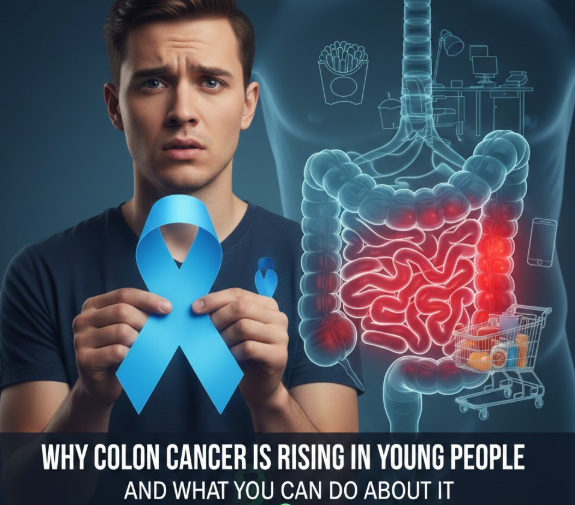
Colon cancer was once considered a disease of older adults. But over the past two decades, doctors around the world have noticed a worrying trend—more people under the age of 50 are being diagnosed with colon cancer.
In a recent discussion, Dr. Asit Arora, Clinical Lead – GI & HPB Surgical Oncology at Apollo Hospitals, highlights why this shift is happening and what young adults need to know to protect themselves.
A Growing Concern: Colon Cancer in People Under 50
Traditionally, colon cancer screening begins at age 45–50. However, studies now show a consistent rise in early-onset colon cancer (diagnosed before age 50).
What makes this trend alarming?
- Younger patients are often diagnosed at later stages
- Symptoms are frequently ignored or misdiagnosed
- Many assume they are “too young” for cancer
Early detection dramatically improves survival rates. Awareness is the first step.
Why Is Colon Cancer Increasing in Young Adults?
Dr. Arora points to several modern lifestyle factors contributing to this rise:
1. Obesity
Excess body weight increases chronic inflammation and insulin resistance, both of which are linked to cancer risk.
2. Lack of Physical Activity
A sedentary lifestyle slows gut movement and alters metabolism, increasing the likelihood of colon abnormalities.
3. High Consumption of Processed Foods
Diets rich in processed meats, refined sugars, and packaged foods are associated with a higher risk of colorectal cancer.
4. Low-Fiber Diet
Fiber helps maintain healthy bowel movements and supports beneficial gut bacteria. Low intake disrupts digestive health.
5. Increased Alcohol Intake
Excess alcohol consumption is a known risk factor for several cancers, including colon cancer.
6. Changes in Gut Microbiome
Modern diets, antibiotic overuse, and lifestyle changes may disturb gut bacteria balance, potentially increasing cancer risk.
Warning Signs You Should Never Ignore
Many young people dismiss early symptoms as piles, acidity, or stress-related digestive issues. Dr. Arora strongly advises against this.
Seek medical evaluation if you experience:
- Rectal bleeding
- Persistent changes in bowel habits (diarrhea or constipation)
- Narrow stools
- Unexplained weight loss
- Ongoing abdominal discomfort
- Fatigue or unexplained anemia
Even if you are under 50, these symptoms require proper investigation, often including colonoscopy.
What Can You Do to Reduce Your Risk?
The good news: Many risk factors are preventable.
✔ Maintain a Healthy Weight
Aim for a balanced BMI through diet and exercise.
✔ Exercise Regularly
At least 30 minutes of moderate activity, 5 days a week.
✔ Increase Fiber Intake
Include fruits, vegetables, whole grains, and legumes in daily meals.
✔ Limit Processed & Red Meat
Choose lean proteins and plant-based options.
✔ Reduce Alcohol Consumption
Moderation is key.
✔ Don’t Delay Screening
If you have symptoms or a family history of colon cancer, consult a GI specialist early.
Early Evaluation Saves Lives
One of the biggest misconceptions is: “I’m too young to have colon cancer.”
Colon cancer does not check your age before developing.
Dr. Asit Arora emphasizes that timely diagnosis significantly improves treatment outcomes. When detected early, colon cancer is highly treatable and often curable.
Final Thoughts
The rise of colon cancer in young people is a wake-up call. Lifestyle changes, awareness of symptoms, and early medical evaluation can make all the difference.
If you or someone you know has persistent digestive symptoms, don’t ignore them. Early consultation with a specialist could save a life.