
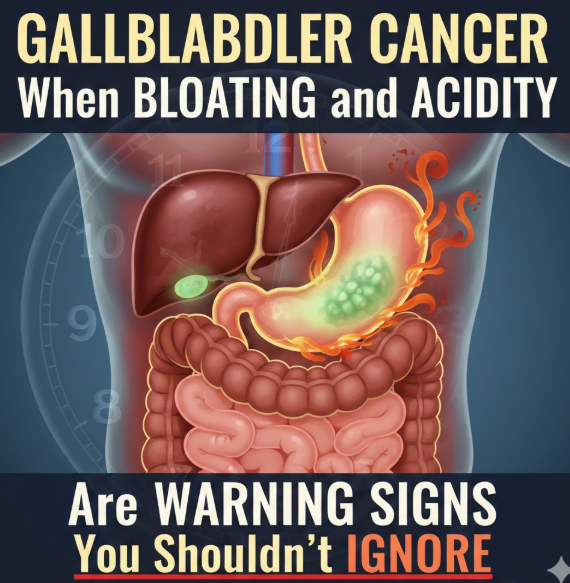
It’s easy to dismiss bloating or indigestion as “just something I ate.” A heavy meal, spicy food, or stress often gets the blame. But sometimes, these everyday digestive complaints are your body’s way of signaling something far more serious.
Gallbladder cancer is often referred to as a “silent killer” because its early symptoms are subtle, vague, and frequently mistaken for routine acidity or gastric issues. Unfortunately, this delay in recognition is one of the biggest reasons why gallbladder cancer is often diagnosed at an advanced stage.
Why Gallbladder Cancer Is Often Missed Early
In its initial stages, gallbladder cancer rarely causes dramatic or alarming symptoms. In fact, over 70% of early cases mimic common acidity-related problems, such as:
- Persistent bloating
- Indigestion after meals
- Acidity or heartburn
- Mild upper abdominal discomfort
- Nausea or loss of appetite
Because these symptoms are so common, many patients self-medicate or ignore them—sometimes for months or even years.
A Growing Cancer Concern in India
Gallbladder cancer is emerging as a major health concern in India, especially when compared to global trends.
Key Facts:
- It is one of the fastest-growing gastrointestinal cancers in the country
- North India reports the highest number of cases, particularly along the Gangetic belt
- The disease is often diagnosed late, reducing treatment options and survival rates
Environmental factors, dietary habits, genetics, and delayed diagnosis all play a role in this rising incidence.
Who Is Most at Risk?
While gallbladder cancer can affect anyone, certain groups are at significantly higher risk:
1. Women Over 40
Gallbladder cancer is more common in women, particularly those above the age of 40. Hormonal factors and higher rates of gallstones in women are believed to contribute to this risk.
2. People With Long-Standing Gallstones
Gallstones are the strongest known risk factor for gallbladder cancer.
- Long-term irritation of the gallbladder lining
- Chronic inflammation caused by stones
- Silent damage over years without obvious symptoms
Many patients with gallstones feel “fine” until the disease has already progressed.
The Gallstone–Cancer Connection
Gallstones don’t turn into cancer overnight. The risk builds silently over time.
- Chronic gallstones can cause repeated inflammation
- This long-standing irritation may lead to abnormal cell changes
- Over years, these changes can progress to cancer
Not everyone with gallstones develops gallbladder cancer—but ignoring symptoms or delaying evaluation significantly increases the risk.
When Should You Be Concerned?
You should seek medical evaluation if you experience:
- Persistent bloating or acidity despite treatment
- Symptoms lasting more than 2–3 weeks
- Upper right abdominal pain
- Unexplained weight loss
- Jaundice (yellowing of eyes or skin)
- History of gallstones with worsening digestion
Early imaging tests like ultrasound, CT scan, or MRI, along with expert consultation, can make a life-saving difference.
Early Detection Can Change Outcomes
Gallbladder cancer caught at an early stage is far more treatable and may even be curable with timely surgery. Unfortunately, waiting for symptoms to worsen often means the disease has already advanced.
Don’t wait for whispers to become screams.
If something feels persistently wrong, trust your body and seek expert advice.
Take Action Early
If you have ongoing digestive symptoms, gallstones, or belong to a high-risk group, proactive screening and consultation with a specialist GI cancer surgeon can help detect what others might miss.
Early scans. Expert eyes. Timely decisions.
They can save lives.