
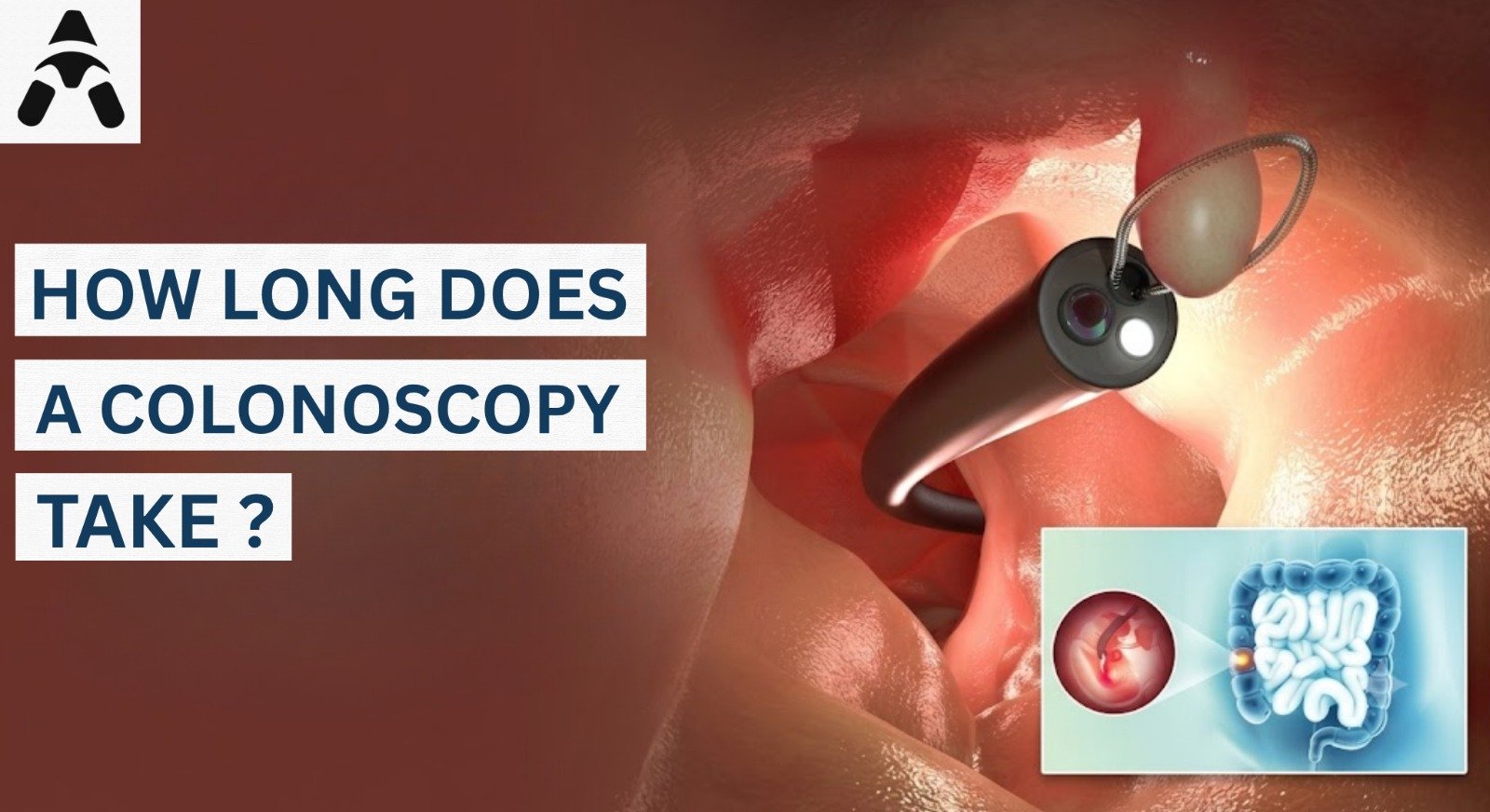
If your doctor has recommended a colonoscopy, one of the first questions you may have is, “How long will I actually be there?”
This is a completely understandable concern. You may be wondering whether a colonoscopy takes hours, whether a colonoscopy is painful, or whether you will need to take the entire day off work.
The good news is that the colonoscopy itself usually does not take very long. However, you should allow extra time before and after the colonoscopy for preparation, sedation, recovery, and discharge.
If you are considering a colonoscopy because of bowel symptoms, screening, polyps, bleeding, or other colon health concerns, knowing what happens at each stage can make the experience easier and less stressful.
How Long Does a Colonoscopy Take?
A colonoscopy commonly takes around 20 to 45 minutes. However, the total time at the hospital can be longer because the appointment also includes preparation and recovery.
The exact duration depends on why the colonoscopy is being performed, how easy it is to examine the colon, whether polyps need to be removed, and whether a biopsy is required.
A colonoscopy is only one part of the complete hospital visit. Planning for a few hours at the hospital is usually more practical than planning only for the 20 to 45 minutes of the colonoscopy.
What Time Should You Expect?
A typical visit may involve:
- Pre-procedure preparation: Around 30–60 minutes
- Colonoscopy: Often around 20–45 minutes
- Recovery after sedation: Commonly 30–60 minutes or longer
- Total time at the hospital: Often a few hours
Your doctor or hospital team will provide specific instructions based on your medical history and the type of sedation being used.
What Is a Colonoscopy?
A colonoscopy is a medical procedure that allows a doctor to examine the lining of the large intestine using a thin, flexible camera called a colonoscope.
During a colonoscopy, the colonoscope is gently passed through the rectum and into the colon. A small camera at the tip sends images to a monitor. The doctor can then look for abnormalities such as polyps, inflammation, bleeding, ulcers, or suspicious growths.
One useful part of a colonoscopy is that the colonoscopy can be used to both find and sometimes treat certain problems.
If appropriate, the doctor may remove a polyp during the colonoscopy. The doctor may also take a small tissue sample, known as a biopsy, during the same colonoscopy.
Why Might Someone Need a Colonoscopy?
A doctor may recommend a colonoscopy for several different reasons. These can include:
- Blood in the stool
- Persistent or unexplained changes in bowel habits
- Unexplained abdominal symptoms
- Iron-deficiency anemia in appropriate patients
- Screening for colorectal cancer
- Follow-up of previously detected polyps
- Monitoring certain bowel conditions
- Investigating abnormal findings from other tests
Your doctor decides whether a colonoscopy is appropriate based on your age, symptoms, medical history, and risk factors.
What Happens Before a Colonoscopy?
The preparation is often the part of the colonoscopy process that patients notice the most.
The colon needs to be clean so the doctor can clearly see the bowel lining. Even a small amount of stool can make it harder to identify polyps or other abnormalities.
You will usually receive instructions about bowel-cleansing preparation. Colonoscopy preparation commonly involves drinking a prescribed solution and following specific dietary instructions before the colonoscopy.
How Should You Prepare for a Colonoscopy?
Your medical team may advise you to:
- Follow a specific diet before the colonoscopy
- Avoid solid foods for a certain period
- Drink the prescribed bowel preparation
- Drink appropriate clear fluids
- Adjust certain medications if instructed
- Arrange for someone to take you home if sedation is used
Do not stop prescription medicines on your own. Ask your doctor about medicines such as blood thinners, diabetes medicines, or other regular medications before the colonoscopy.
What Happens During the Colonoscopy?
Sedation is commonly used to help you remain comfortable and relaxed, although the exact approach can vary.
The doctor carefully examines the bowel lining during the colonoscopy. If a polyp is found, the polyp may sometimes be removed during the colonoscopy. If an area looks unusual, a biopsy may be taken for laboratory examination.
Is a Colonoscopy Painful?
Most patients do not experience significant pain during a colonoscopy, particularly when appropriate sedation is used.
You may experience some pressure, bloating, or cramping. Air or carbon dioxide may be introduced into the colon during the examination to improve visibility. This can sometimes cause a feeling of fullness or gas.
If you are worried about discomfort during a colonoscopy, tell your medical team before the colonoscopy begins. Knowing what to expect can make the experience easier.
What Happens After the Colonoscopy?
Once the colonoscopy is finished, you will usually spend some time in a recovery area.
If sedation was used, you may feel sleepy or slightly groggy for a while after the colonoscopy. The medical team will monitor you before discharge.
If you received sedation, you generally should not plan to drive yourself home.
It is sensible to keep the rest of the day light and follow your doctor’s instructions after the colonoscopy.
How Long Does It Take to Recover From a Colonoscopy?
Most people can return to their usual routine relatively quickly. However, the effects of sedation may continue for several hours.
Bloating or gas after a colonoscopy can occur and usually settles with time.
If a polyp was removed or a biopsy was performed, your doctor may provide additional instructions. Recovery may also depend on your health and the type of procedure performed.
Seek medical advice promptly if you develop concerning symptoms such as significant bleeding, severe or worsening abdominal pain, persistent vomiting, fever, or other symptoms your medical team has warned you about.
Meet the Expert: Dr. Asit Arora
Dr. Asit Arora – Best Oncologist in Apollo Hospitals, Delhi
Dr. Asit Arora is associated with Apollo Hospitals, Delhi. Dr. Asit Arora provides care related to stomach cancer and colon cancer treatment in Delhi.
When investigations such as colonoscopy are recommended, patients may have concerns about both the colonoscopy and what an abnormal finding could mean. A patient-centred approach focuses on explaining why the colonoscopy is recommended, understanding the findings, and discussing the next steps clearly.
For patients being evaluated for gastrointestinal cancers or requiring specialist cancer care, having a clear discussion with an experienced specialist can help patients understand their condition and the next steps.
Frequently Asked Questions About Colonoscopy
1. How Long Does a Colonoscopy Actually Take?
A colonoscopy commonly takes around 20 to 45 minutes. However, preparation and recovery can mean that you spend a few hours at the hospital overall.
2. Is a Colonoscopy Painful?
A colonoscopy is generally well tolerated, particularly when appropriate sedation is provided. Some people experience bloating, pressure, or cramping, but your medical team will take steps to keep you comfortable.
3. Can a Doctor Remove a Polyp During a Colonoscopy?
Yes. Suitable polyps can often be removed during the colonoscopy. A tissue sample may also be sent to a laboratory when necessary.
4. How Long Does It Take to Recover From a Colonoscopy?
Many people recover from the colonoscopy quickly, although the effects of sedation can last for several hours. You should follow your doctor’s instructions and arrange transportation home if sedation has been used.
5. Can I Go Home After a Colonoscopy?
You usually need to remain under observation after the colonoscopy before being discharged. If sedation was used, you may need someone to accompany you home. You should avoid driving until you have fully recovered.
6. When Should I Talk to a Doctor About Having a Colonoscopy?
You should discuss colonoscopy with a doctor if you have symptoms or risk factors that may require investigation. Blood in the stool, persistent bowel changes, unexplained anemia, and certain screening or follow-up situations are examples where your doctor may consider a colonoscopy.
Next Steps: Speak With Dr. Asit Arora
If your doctor has recommended a colonoscopy, feeling uncertain is completely normal. The best way to understand what you can expect is to discuss your symptoms, medical history, and concerns with a specialist before the colonoscopy.
For patients seeking colon cancer treatment in Delhi or specialist evaluation related to stomach and colon cancers, Dr. Asit Arora is available at Apollo Hospitals, Delhi.
Call: 098212 16022
Book an Appointment With Dr. Asit Arora
Clinic / Hospital Address
OPD – 67 Apollo Hospital, NH-19 Jasola Vihar, New Delhi, Delhi 110020