
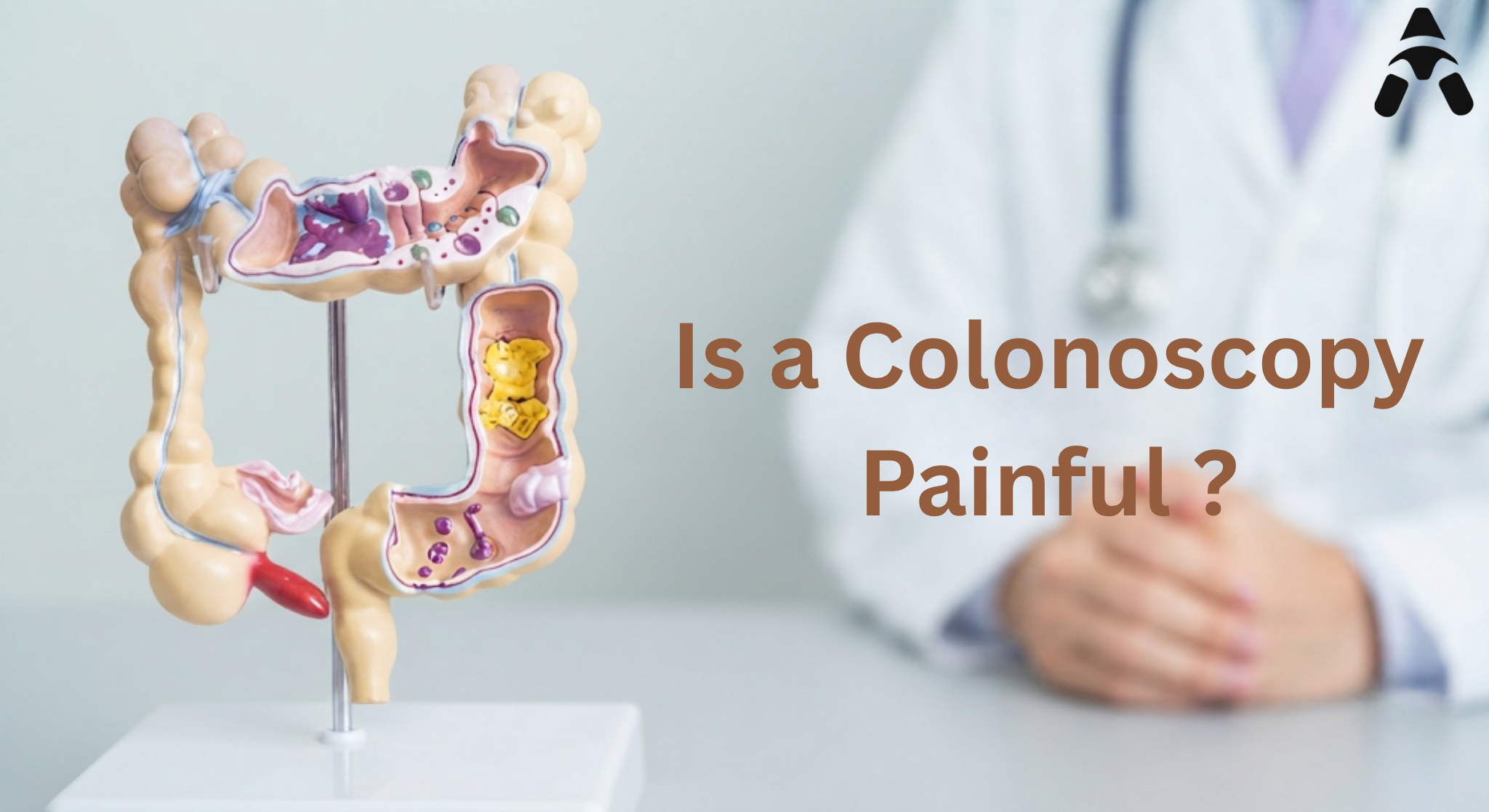
If your doctor recommends a colonoscopy, a common question might be: “Will the colonoscopy hurt?”
It is a concern. Having a flexible camera passed through the bowel can feel uncomfortable, especially if you have never had a colonoscopy before.
The good news is that most people do not experience severe pain during a colonoscopy because sedation or medication can help keep you comfortable. You might feel some pressure, bloating, or cramping, but the colonoscopy is usually easier than many patients expect.
What Is a Colonoscopy?
A colonoscopy is a procedure used to look inside the intestine (colon) and rectum with a flexible tube that has a small camera at its tip.
Think of it as using a camera to inspect the inside of a tunnel. During a colonoscopy, your doctor can look for polyps, inflammation, bleeding, ulcers, abnormal tissue, or signs of cancer.
Why does a doctor recommend a colonoscopy?
A colonoscopy may be recommended when you have:
- blood in the stool
- persistent changes in bowel habits
- ongoing abdominal discomfort
- unexplained weight loss
- iron-deficiency anemia
- a family history of cancer
- previous polyps or colorectal disease
- symptoms that need investigation
- the need for colorectal cancer screening
A colonoscopy can also allow the doctor to remove polyps or take a tissue sample for laboratory testing during the same procedure.
Is a Colonoscopy Painful?
The level of discomfort varies from one person to another. It can depend on factors such as bowel anatomy, previous abdominal procedures, the presence of inflammation, and the type of sedation used.
What does a colonoscopy actually feel like?
During the procedure, you may experience:
- mild abdominal pressure
- cramping
- a feeling of bloating
- the urge to pass gas
- brief discomfort as the colonoscope moves through the bowel
These sensations are usually temporary.
Many patients are surprised that the preparation before a colonoscopy can feel more inconvenient than the colonoscopy itself.
Does Sedation Make a Colonoscopy Comfortable?
Sedation can greatly improve comfort during a colonoscopy and may make the colonoscopy feel much easier.
Depending on your health, the facility, and your doctor’s recommendation, medication may be given to help you relax or sleep through most of the examination.
Your medical team will discuss the approach before the colonoscopy. If you are worried about pain or anxiety, tell your doctor beforehand rather than keeping the concern to yourself.
How To Prepare for a Colonoscopy
Your doctor will give you specific instructions, which may include dietary changes and a prescribed bowel-cleansing solution.
What happens before the colonoscopy?
Typically, the process involves:
- Following the recommended diet before the colonoscopy.
- Taking the bowel preparation exactly as instructed.
- Arriving at the hospital or endoscopy unit at the scheduled time.
- Meeting the medical team and discussing sedation and medical history.
- Having the colonoscopy performed under monitoring.
- Spending some time recovering.
Following the preparation instructions carefully can make the colonoscopy more effective and reduce the chance that the procedure will need to be repeated.
What Happens During a Colonoscopy?
If the doctor sees an abnormal area or polyp, they may take a biopsy or remove a polyp when appropriate.
You generally will not feel tissue sampling because the inside lining of the bowel does not sense pain in the same way as the skin does.
The colonoscopy itself is often completed within a relatively short period, although the exact duration varies depending on what needs to be done.
What Happens After a Colonoscopy?
Because sedation can temporarily affect alertness and coordination, patients may need someone to accompany them home. They should follow the medical team’s instructions regarding driving and other activities.
Your doctor may discuss the findings with you after the colonoscopy and provide a follow-up plan if biopsy results are required.
When should you contact your doctor after a colonoscopy?
Some mild discomfort can be expected. Seek medical advice promptly if you experience symptoms such as worsening abdominal pain, significant bleeding, fever, persistent vomiting, dizziness, or other concerning symptoms after the colonoscopy.
Colonoscopy vs. Fear: Why Patients Often Feel More Worried Than Necessary
It is easy to imagine the worst when you are told you need a colonoscopy.
Modern colonoscopy is performed with careful monitoring and appropriate comfort measures. For many patients, the biggest challenge is simply overcoming the anxiety of not knowing what to expect.
A useful way to think about it is: the more you understand about the colonoscopy, the less mysterious it becomes.
If you are nervous, tell your doctor exactly what worries you. Whether it is pain, sedation, bowel preparation, embarrassment, or the possibility of finding something, these are all valid questions to discuss.
Dr. Asit Arora provides care in gastrointestinal (GI) and hepatopancreatobiliary (HPB) surgical oncology, with a focus on evaluating and managing complex conditions that affect the digestive system and related organs.
His approach to patient care centers around communication, appropriate investigation, and helping patients understand their diagnosis and treatment options.
For patients who are anxious about procedures such as a colonoscopy, having an opportunity to discuss the reason for the test, what to expect, and how comfort will be managed can make the experience considerably less stressful.
Patient Voice
“I was extremely nervous because this was my colonoscopy. Dr. Arora explained the colonoscopy patiently and answered all my questions. The actual procedure was much easier than I had imagined.”
“I kept postponing my colonoscopy because I was worried it would be painful. After discussing my concerns with the team, I finally went ahead with the colonoscopy. The preparation was the part I found inconvenient. The procedure itself was comfortable.”
“What I appreciated most was that everything was explained clearly before the colonoscopy. I knew what would happen at every stage, which made me feel more relaxed.”
Patient experiences can be valuable. Testimonials should be published with patient consent and factual verification.
The Fix: Your Colonoscopy Journey at a Glance
| Stage | What Usually Happens |
| Before the procedure | Your doctor explains why a colonoscopy is recommended and reviews your medical history. |
| Preparation | You follow bowel-cleansing instructions. |
| Arrival | The medical team checks your health details and prepares you for the colonoscopy. |
| Colonoscopy | The doctor examines the colon using a camera with appropriate comfort measures. |
| If needed | Polyps may be removed and tissue samples may be collected for testing. |
| Recovery | You are monitored while the effects of medication wear off. |
| Follow-up | Your doctor discusses the findings and recommends the next step when necessary. |
Frequently Asked Questions About Colonoscopy
Is a colonoscopy painful?
A colonoscopy is usually not severely painful, although temporary pressure, cramping, or bloating can occur. Sedation or other comfort measures may be used depending on your circumstances and your doctor’s recommendation.
How long does a colonoscopy take?
A colonoscopy itself often takes around 20–45 minutes, although the total visit can be longer. Preparation, recovery, and additional procedures such as polyp removal can affect the total time.
Will I be awake during a colonoscopy?
Whether you remain awake depends on the type of sedation or anesthesia used. Your medical team will explain what is planned and what you can expect before the colonoscopy.
Is bowel preparation more uncomfortable than the colonoscopy?
Some patients find the bowel preparation more uncomfortable or inconvenient than the colonoscopy itself. It involves clearing the bowel so your doctor can get a clear view, and following the instructions carefully is important.
Can a doctor remove a polyp during a colonoscopy?
Yes, suitable polyps can often be removed during a colonoscopy. The removed tissue may then be sent for laboratory examination to determine what it is.
When should I get a colonoscopy?
The right time for a colonoscopy depends on your age, symptoms, family history, previous findings, and overall risk. If you have symptoms such as bleeding, unexplained anemia, persistent bowel changes, or other concerning digestive symptoms, speak with a doctor rather than delay evaluation.
Visit Us
If you have been told that you need a colonoscopy, or if you are having digestive problems that need to be checked, talking to a gastroenterologist can help you understand whether the test is right for you.
Meet the Expert: Dr. Asit Arora
Dr. Asit Arora
Clinical Lead – GI & HPB Surgical Oncology
Apollo Hospitals, Delhi
Call Now:
Call Now Button → +91-9821216022