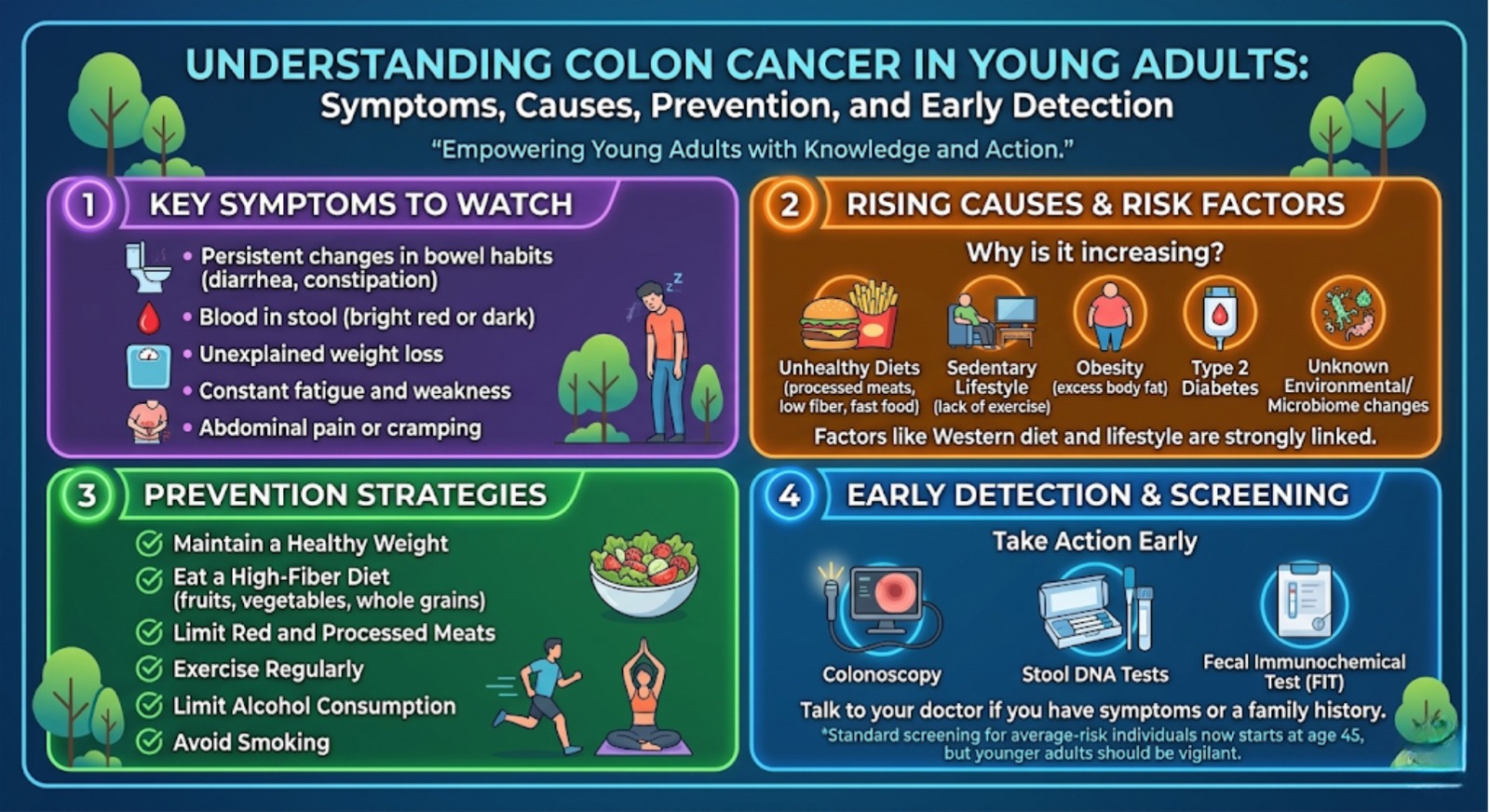
Colon cancer was once considered a disease primarily affecting older adults. However, recent years have witnessed a concerning rise in colon cancer cases among people under the age of 50. This alarming trend has caught the attention of healthcare professionals worldwide and highlights the importance of awareness, early diagnosis, and preventive measures.
According to Dr. Asit Arora, M.S., M.Ch, Director of G.I. & H.P.B Oncosurgery, Apollo Hospitals, New Delhi, understanding the early warning signs and risk factors can significantly improve treatment outcomes and survival rates.
What Is Colon Cancer?
Colon cancer develops in the large intestine (colon), which forms the final part of the digestive system. Most colon cancers begin as small, non-cancerous growths called polyps that gradually develop into cancer over time.
When detected early, colon cancer is highly treatable and often curable.
Why Is Colon Cancer Rising in Young Adults?
While the exact reason remains unclear, several factors are believed to contribute to the increasing incidence of colon cancer among younger individuals.
1. Unhealthy Dietary Habits
Modern diets rich in processed foods, red meat, sugary beverages, and low fiber intake may increase the risk of developing colon cancer.
2. Obesity and Sedentary Lifestyle
Physical inactivity and excess body weight are strongly associated with colorectal cancer development.
3. Changes in Gut Microbiome
Emerging research suggests that alterations in gut bacteria caused by diet, antibiotics, and lifestyle factors may contribute to colon cancer risk.
4. Smoking and Alcohol Consumption
Both smoking and excessive alcohol use can increase inflammation and damage cells lining the colon.
5. Family History and Genetics
Individuals with a family history of colon cancer or inherited conditions such as Lynch Syndrome have a significantly higher risk.
Early Symptoms of Colon Cancer
One of the biggest challenges with colon cancer is that symptoms often appear only after the disease has progressed.
Common warning signs include:
- Blood in stool
- Persistent abdominal pain or cramps
- Changes in bowel habits
- Diarrhea or constipation lasting several weeks
- Unexplained weight loss
- Fatigue and weakness
- Feeling that the bowel does not empty completely
- Loss of appetite
Any persistent digestive symptoms should be evaluated by a specialist.
Why Early Detection Matters
Early-stage colon cancer often has no noticeable symptoms. Screening can detect precancerous polyps before they become cancerous.
Benefits of early detection include:
- Higher cure rates
- Less extensive treatment
- Better quality of life
- Reduced treatment costs
- Improved long-term survival
How Is Colon Cancer Diagnosed?
A comprehensive evaluation may include:
Colonoscopy
The gold standard test that allows doctors to visualize the entire colon and remove suspicious polyps.
Biopsy
A tissue sample is examined under a microscope to confirm cancer.
CT Scan and MRI
Imaging helps determine the stage and spread of cancer.
Blood Tests
Certain markers may assist in diagnosis and treatment monitoring.
Treatment Options for Colon Cancer
Treatment depends on the stage and location of the cancer.
Surgery
Surgery remains the primary treatment for most localized colon cancers.
Robotic and Minimally Invasive Surgery
Advanced techniques offer:
- Smaller incisions
- Faster recovery
- Less pain
- Reduced hospital stay
Chemotherapy
Used before or after surgery in selected patients.
Targeted Therapy
Specific medications target cancer cells while minimizing damage to healthy tissues.
Immunotherapy
Certain patients with specific genetic profiles may benefit from immunotherapy.
Can Colon Cancer Be Prevented?
While not all cases are preventable, risk can be reduced by:
- Eating a high-fiber diet
- Maintaining a healthy weight
- Exercising regularly
- Limiting red and processed meats
- Avoiding tobacco
- Limiting alcohol consumption
- Undergoing recommended screenings
- Managing chronic inflammatory bowel diseases
When Should You Get Screened?
Most guidelines now recommend colorectal cancer screening beginning at age 45 for average-risk adults.
Earlier screening may be needed if you have:
- Family history of colon cancer
- Personal history of polyps
- Inflammatory bowel disease
- Genetic cancer syndromes
Consult a gastrointestinal cancer specialist to determine the appropriate screening schedule.
Conclusion
The rise of colon cancer in younger adults is a serious public health concern. However, awareness, healthy lifestyle choices, and timely screening can dramatically reduce the impact of this disease. Recognizing symptoms early and seeking expert care can make a life-saving difference.
If you experience persistent digestive symptoms or have a family history of colon cancer, do not delay evaluation. Early detection remains the most powerful tool against colon cancer.
Frequently Asked Questions (FAQs)
Can colon cancer occur in people under 40?
Yes. Colon cancer is increasingly being diagnosed in adults under 40, making awareness of symptoms and risk factors more important than ever.
What is the first symptom of colon cancer?
Blood in stool, changes in bowel habits, abdominal discomfort, and unexplained weight loss are among the earliest signs.
Is colon cancer curable?
Yes. When diagnosed in its early stages, colon cancer is highly treatable and often curable.
How often should a colonoscopy be done?
The frequency depends on age, risk factors, and previous findings. Your doctor will recommend an individualized screening schedule.
Does family history increase colon cancer risk?
Yes. A family history of colorectal cancer significantly increases the risk and may require earlier screening.
Consult Dr. Asit Arora for Colon Cancer Screening and Treatment in Delhi
Experiencing digestive symptoms or concerned about your colon cancer risk?
Consult Dr. Asit Arora, M.S., M.Ch, Director of G.I. & H.P.B Oncosurgery, Apollo Hospitals, New Delhi, for expert evaluation, advanced diagnostics, and personalized colon cancer treatment.
Book your consultation today and take the first step toward early detection and better health.