
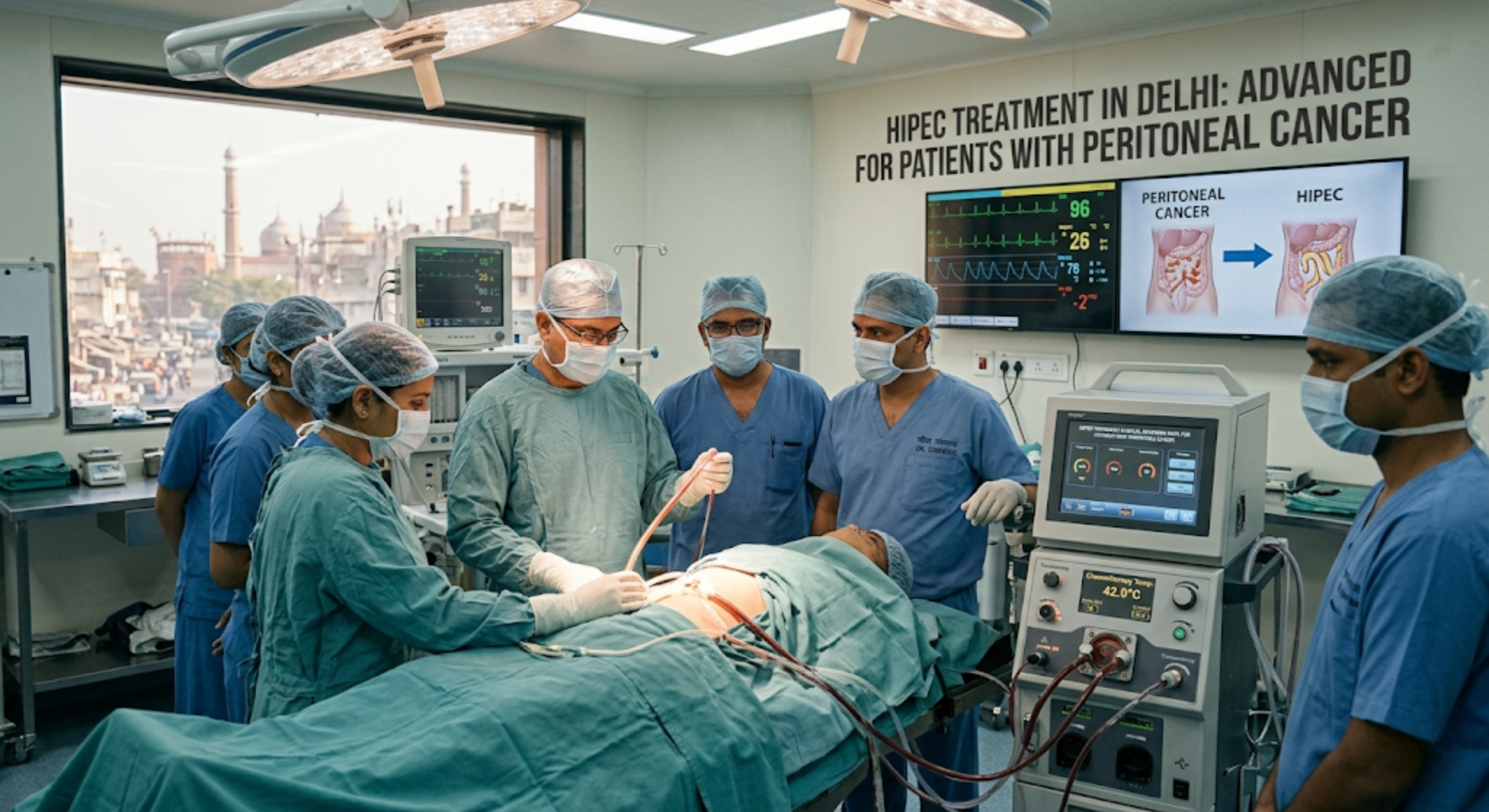
HIPEC Treatment in Delhi by Dr. Asit Arora – GI & HPB Surgical Oncology, Apollo Hospitals, New Delhi
Cancer that spreads within the abdominal cavity was once considered difficult to treat, with limited treatment options and poor outcomes. However, advances in surgical oncology have transformed the management of these complex cancers. One such breakthrough is HIPEC (Hyperthermic Intraperitoneal Chemotherapy), a highly specialized treatment that combines surgery and heated chemotherapy to target cancer cells directly inside the abdomen.
If you are searching for the best HIPEC treatment in Delhi, understanding how this innovative procedure works and who can benefit from it is essential.
At Apollo Hospitals, New Delhi, Dr. Asit Arora, Director of GI & HPB Surgical Oncology, specializes in advanced cancer treatments including Cytoreductive Surgery (CRS) with HIPEC, offering comprehensive care for patients with peritoneal surface malignancies.
What is HIPEC?
HIPEC (Hyperthermic Intraperitoneal Chemotherapy) is an advanced cancer treatment performed immediately after surgical removal of visible tumors from the abdominal cavity.
During the procedure:
- Visible cancer deposits are surgically removed through Cytoreductive Surgery (CRS).
- A heated chemotherapy solution (typically 41–43°C) is circulated throughout the abdominal cavity.
- The chemotherapy is delivered directly where microscopic cancer cells may remain.
- The heated solution enhances the effectiveness of chemotherapy while minimizing systemic side effects.
This targeted approach helps destroy residual cancer cells that cannot be seen during surgery.
Why is HIPEC Different from Traditional Chemotherapy?
Traditional chemotherapy travels through the bloodstream and affects the entire body. While effective for many cancers, it may not adequately penetrate cancer deposits within the peritoneal cavity.
HIPEC offers several advantages:
- Direct delivery of chemotherapy to affected areas
- Higher local concentration of chemotherapy drugs
- Reduced systemic toxicity
- Enhanced cancer cell destruction through heat
- Improved survival outcomes in selected patients
This makes HIPEC a powerful option for carefully selected patients with abdominal cancers.
Which Cancers Can Be Treated with HIPEC?
HIPEC is commonly used for patients with:
Colorectal Cancer with Peritoneal Spread
Patients whose colon or rectal cancer has spread to the lining of the abdomen may benefit significantly from CRS and HIPEC.
Pseudomyxoma Peritonei (PMP)
A rare condition often arising from appendiceal tumors that produces mucus within the abdomen.
Appendiceal Cancer
Appendix cancers that spread to the peritoneum can often be effectively managed using HIPEC.
Ovarian Cancer
Selected recurrent or advanced ovarian cancers may benefit from HIPEC as part of a comprehensive treatment strategy.
Gastric Cancer with Limited Peritoneal Disease
In carefully selected cases, HIPEC may improve disease control and survival outcomes.
Peritoneal Mesothelioma
This rare cancer affecting the abdominal lining is one of the most recognized indications for CRS and HIPEC.
What is Cytoreductive Surgery (CRS)?
CRS is a specialized surgical procedure designed to remove all visible cancer from the abdominal cavity.
The goal is to achieve:
- Complete removal of tumor deposits
- Maximum reduction of cancer burden
- Preparation for HIPEC treatment
The success of HIPEC largely depends on the completeness of cytoreduction achieved during surgery.
How Does HIPEC Work?
Following tumor removal:
- Catheters are placed within the abdominal cavity.
- Heated chemotherapy is circulated for approximately 60–90 minutes.
- The solution reaches areas that conventional surgery cannot access.
- Heat improves penetration of chemotherapy into tissues.
- Remaining microscopic cancer cells are targeted and destroyed.
After completion, the chemotherapy solution is removed and the surgical procedure is completed.
Benefits of HIPEC Treatment
Improved Survival Outcomes
For selected patients, HIPEC has demonstrated significantly improved long-term survival compared to conventional treatment alone.
Targeted Therapy
Direct chemotherapy delivery allows higher effectiveness where it is needed most.
Reduced Systemic Side Effects
Because chemotherapy remains largely confined to the abdomen, many systemic side effects are reduced.
Better Disease Control
HIPEC can lower the risk of cancer recurrence within the abdominal cavity.
Potential Curative Option
For some patients with peritoneal cancers, CRS with HIPEC offers a chance for long-term disease control and even cure.
Who is a Candidate for HIPEC?
Not every patient with abdominal cancer is suitable for HIPEC.
A detailed evaluation includes:
- Cancer type
- Extent of disease
- Overall health status
- Performance status
- Imaging studies
- Previous treatments
Patients with limited disease spread and good overall health often achieve the best outcomes.
Recovery After HIPEC
Recovery varies depending on the complexity of surgery.
Most patients can expect:
- Hospital stay of 7–14 days
- Gradual return to normal activities
- Nutritional support during recovery
- Regular follow-up appointments
- Long-term surveillance imaging
A multidisciplinary team plays a crucial role in ensuring optimal recovery.
Why Choose Dr. Asit Arora for HIPEC Treatment in Delhi?
When considering a highly specialized procedure like CRS and HIPEC, experience matters.
Expertise in GI & HPB Surgical Oncology
Dr. Asit Arora offers:
- Extensive experience in complex gastrointestinal cancer surgeries
- Specialized expertise in peritoneal surface malignancies
- Advanced cytoreductive surgery techniques
- Multidisciplinary cancer management
- Personalized treatment planning
Apollo Hospitals, New Delhi
Patients benefit from:
- State-of-the-art operation theatres
- Advanced cancer diagnostics
- Comprehensive oncology services
- Dedicated critical care support
- International-standard cancer care protocols
Frequently Asked Questions (FAQs)
Is HIPEC a cure for cancer?
HIPEC is not a universal cure, but for selected patients it can significantly improve survival and may offer long-term disease control or cure.
How long does HIPEC surgery take?
CRS and HIPEC procedures are complex and may take anywhere from 6 to 12 hours depending on disease extent.
Is HIPEC painful?
Patients are under anesthesia during surgery. Pain is managed effectively during recovery using modern pain-control techniques.
What is the success rate of HIPEC?
Success depends on cancer type, disease extent, and completeness of tumor removal. Many studies show improved survival outcomes in carefully selected patients.
What are the risks of HIPEC?
Potential risks include infection, bleeding, bowel complications, and anesthesia-related issues. Your surgical oncologist will discuss these in detail.
How soon can I resume normal activities?
Most patients gradually return to routine activities within several weeks, depending on the extent of surgery.
Is HIPEC available in Delhi?
Yes. Advanced CRS and HIPEC procedures are available at Apollo Hospitals, New Delhi under experienced surgical oncology teams.
Key Takeaway
HIPEC has revolutionized the treatment of peritoneal cancers by combining advanced surgery with heated chemotherapy delivered directly into the abdominal cavity. For carefully selected patients, this innovative approach offers improved survival, better disease control, and renewed hope.
Early diagnosis, expert evaluation, and treatment at a specialized cancer center are crucial for achieving the best possible outcomes.
Book a Consultation with Dr. Asit Arora
If you or a loved one has been diagnosed with a peritoneal malignancy, colorectal cancer with abdominal spread, appendiceal cancer, pseudomyxoma peritonei, or peritoneal mesothelioma, seek expert guidance from an experienced GI and HPB surgical oncologist.
Dr. Asit Arora
M.S., M.Ch.
Director – GI & HPB Surgical Oncology
Apollo Hospitals, New Delhi
Schedule Your Consultation Today
Get a personalized evaluation and explore advanced treatment options including Cytoreductive Surgery (CRS) and HIPEC for comprehensive cancer care.