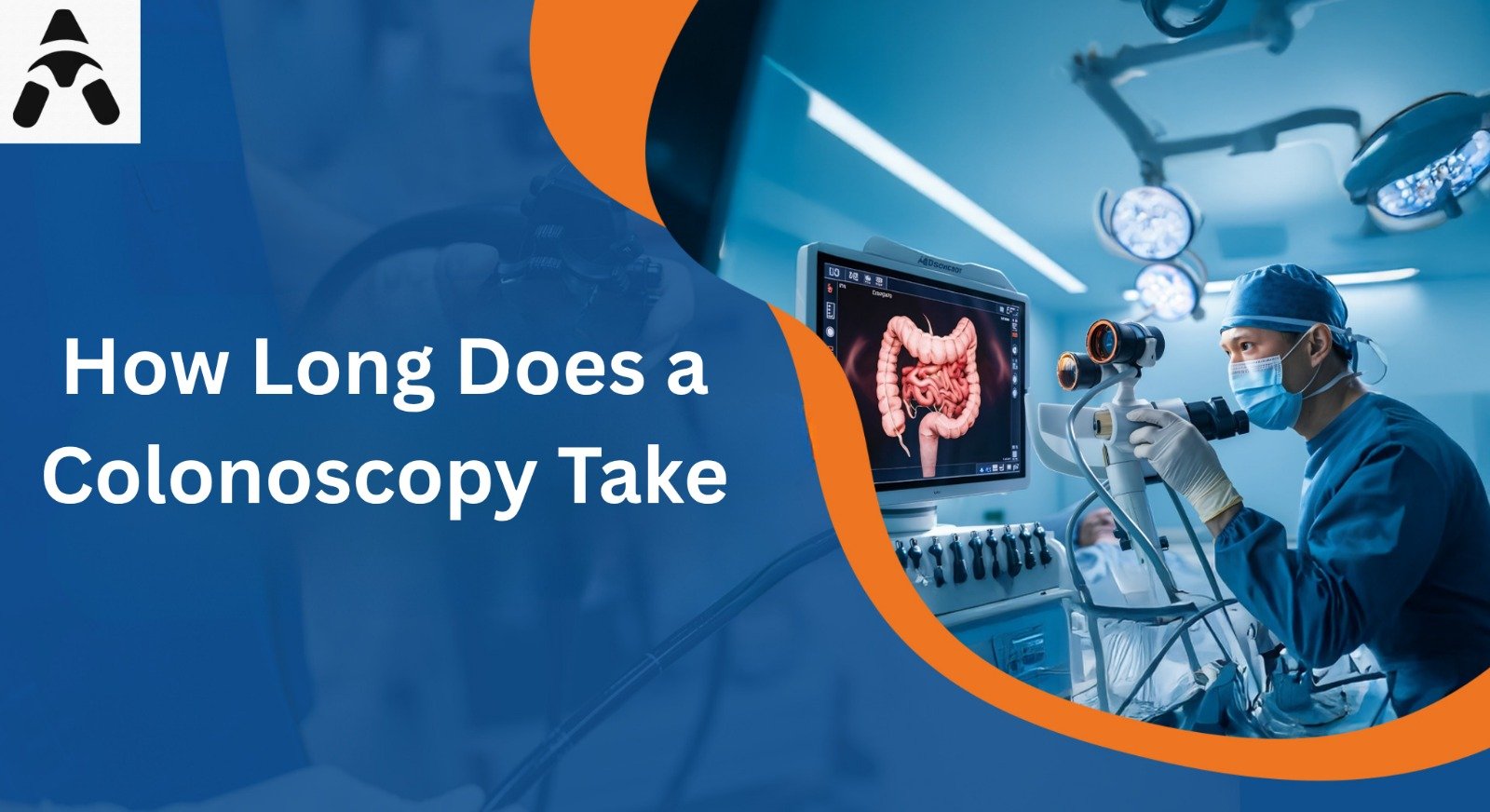
If your doctor has suggested a colonoscopy, one of the first questions you may have is, “How long will the whole process take?” You may also wonder whether a colonoscopy is painful, how much time you may need off work, what happens during the test, and what recovery feels like.
The good news is that the actual colonoscopy is usually much quicker than many people expect. According to the National Institute of Diabetes and Digestive and Kidney Diseases (NIDDK), the colonoscopy itself typically takes less than one hour. However, the complete hospital or clinic visit can take longer because it includes preparation, sedation, the procedure itself, and recovery.
For patients consulting Dr. Asit Arora at Apollo Hospitals, Delhi, understanding each step can help reduce anxiety and make the experience more comfortable.
What Is a Colonoscopy?
A colonoscopy is a procedure used to examine the inside of the large intestine, including the colon and rectum.
During the procedure, the doctor gently guides a flexible tube called a colonoscope through the rectum. A small camera attached to the end of the colonoscope sends images to a monitor, allowing the doctor to carefully examine the lining of the bowel.
If the doctor notices a polyp, abnormal tissue, inflammation, or another unusual area, a biopsy or polyp removal may sometimes be performed during the same procedure.
Why Is a Colonoscopy Done?
A colonoscopy may be recommended to investigate symptoms, monitor an existing condition, or screen for colorectal cancer.
Common reasons for having a colonoscopy include:
- Blood in the stool or rectal bleeding
- Persistent changes in bowel habits
- Chronic diarrhoea or constipation
- Unexplained abdominal pain
- Unexplained weight loss
- Suspected or known colon polyps
- Screening for colorectal cancer
- Follow-up of previous colonoscopy findings
- Investigating abnormalities found during other tests
One of the major advantages of a colonoscopy is that it can be both diagnostic and therapeutic. If a suitable polyp is discovered, the doctor may be able to remove it during the same procedure. If an area appears unusual, a tissue sample may also be taken for laboratory testing.
How Long Does a Colonoscopy Actually Take?
The actual colonoscopy generally takes less than one hour, although the exact duration can vary depending on the findings and whether procedures such as polyp removal or biopsy are required.
The total time spent at the hospital can be several hours because the visit includes multiple stages.
It can help to think of the process in four parts:
1. Before the Procedure
When you arrive, you will usually complete registration and have a medical assessment before the procedure.
Your healthcare team may ask about:
- Your medical history
- Current medications
- Allergies
- Previous reactions to sedation or anaesthesia
- Diabetes
- Heart or kidney conditions
- Liver disease
- Blood-thinning medicines
Certain medicines, including some blood thinners and diabetes medications, may need specific instructions before the procedure. Do not stop or change any medication unless your healthcare team tells you to do so.
2. The Colonoscopy
Once you are prepared, the doctor performs the colonoscopy using the flexible colonoscope.
Sedation or anaesthesia may be used depending on the planned procedure, your health, and the facility’s protocol. The aim is to help you remain comfortable and relaxed.
The doctor carefully examines the lining of the colon and rectum. If a suitable polyp is found, it may be removed. If an abnormal-looking area requires further evaluation, a biopsy may be taken.
3. Recovery After the Procedure
After the colonoscopy, you will spend some time in a recovery area while the effects of sedation wear off.
According to the NIDDK, many patients remain at the facility for approximately 30 to 60 minutes after the procedure, although recovery time can vary.
You may feel sleepy, mildly bloated, or experience some abdominal discomfort during this period.
4. Going Home
If you have received sedation or anaesthesia, you should arrange for someone to take you home.
Sedation can temporarily affect your alertness, coordination, and ability to drive safely. Your healthcare team will provide specific instructions about when you can return to normal activities.
Colonoscopy Preparation: Why Is It So Important?
For many people, bowel preparation is the most challenging part of a colonoscopy. There is an important reason for this.
The doctor needs a clear view of the colon lining. Any stool remaining inside the bowel can hide polyps, inflammation, bleeding, or other abnormalities.
Bowel preparation usually involves dietary changes and a prescribed laxative. The laxative causes frequent bowel movements so that the colon can be adequately cleaned.
Depending on your doctor’s instructions, the bowel preparation may be divided into two doses, with the second dose taken closer to the procedure.
Always follow the preparation instructions provided by your healthcare team.
What Should You Expect During Bowel Preparation?
During bowel preparation, you may experience:
- Frequent watery bowel movements
- Bloating
- Mild abdominal discomfort
- Nausea
- Tiredness
- Increased trips to the bathroom
Your doctor may recommend changing your diet before the procedure and drinking clear liquids during a specific period.
Medication instructions can vary depending on your medical history and the medicines you take. Therefore, follow the personalised instructions given by your healthcare team rather than relying on general advice.
What If I Cannot Finish the Bowel Prep?
Sometimes, nausea, vomiting, discomfort, or the taste of the preparation solution can make it difficult to finish the bowel preparation.
If you are unable to complete the preparation, contact your healthcare team as soon as possible.
An incomplete bowel cleanse can make it difficult for the doctor to see the entire colon clearly. In some cases, the examination may need to be repeated if the bowel has not been adequately prepared.
Is a Colonoscopy Painful?
Many people worry about pain before having a colonoscopy.
Sedation or other medication is commonly used to help patients remain comfortable, depending on the clinical setting and individual circumstances. You may still experience sensations such as pressure, bloating, or mild abdominal cramping during or after the examination.
Everyone experiences the procedure differently. Your doctor and anaesthesia team can explain the available options based on your health, medical history, and the type of colonoscopy being performed.
What Happens If a Polyp Is Found?
Finding a polyp does not automatically mean that you have cancer.
A polyp is a growth that develops on the lining of the colon. Some polyps are harmless, while certain types can become precancerous and may develop into cancer over time.
During a colonoscopy, suitable polyps can often be removed. The removed tissue may then be sent to a laboratory for examination.
If an area looks unusual, the doctor may also take a biopsy, which involves removing a small tissue sample for further testing.
This is one reason colonoscopy can be valuable: it allows doctors to identify abnormalities and, in many cases, address them during the same procedure.
What Is Recovery Like After a Colonoscopy?
For most people, recovery after a colonoscopy is relatively straightforward.
You may temporarily experience:
- Mild bloating
- Abdominal cramps
- Gas
- Sleepiness from sedation
- Mild abdominal discomfort
These symptoms generally improve as your body returns to normal.
Many people can return to their usual diet and activities the next day, depending on what was done during the procedure and their doctor’s advice.
If a polyp was removed or a biopsy was performed, your doctor may provide additional instructions regarding diet, activity, medications, and follow-up.
When Should You Contact Your Doctor After a Colonoscopy?
After your colonoscopy, follow the discharge instructions provided by your healthcare team.
Contact your doctor promptly if you experience concerning symptoms such as:
- Significant or persistent bleeding
- Severe or worsening abdominal pain
- Fever
- Persistent vomiting
- Difficulty breathing
- Severe weakness or other unusual symptoms
Your healthcare team can advise you about what is expected after your specific procedure and when further medical attention is required.
Meet the Expert: Dr. Asit Arora
Dr. Asit Arora is associated with Apollo Hospitals, Delhi, and specialises in surgical oncology, including the management of conditions involving the gastrointestinal tract and colon.
For patients, the goal is not simply to undergo a test. Understanding why a colonoscopy has been recommended, what the test can reveal, how to prepare, and what happens after the results can make the process easier to understand.
A specialist consultation also gives you an opportunity to discuss your symptoms, medical history, concerns, and treatment options before proceeding with any investigation or treatment.
Colonoscopy Timeline at a Glance
| Stage | What Usually Happens |
| Before colonoscopy | Follow dietary and bowel preparation instructions |
| Arrival | Registration, medical assessment, and preparation |
| Procedure | Colon examined using a flexible camera |
| During examination | Polyps may be removed and biopsies may be taken if required |
| Recovery | Monitored while the effects of sedation wear off |
| Going home | Arrange transportation if sedation or anaesthesia was used |
Frequently Asked Questions About Colonoscopy
1. How long does a colonoscopy take from start to finish?
The actual colonoscopy generally takes less than one hour. However, the complete hospital visit may take several hours because it includes check-in, preparation, sedation, the examination, and recovery.
2. Is a colonoscopy painful?
A colonoscopy is performed with measures to keep patients comfortable. Depending on the circumstances, you may receive sedation or other medication. Some people may experience pressure, bloating, or mild cramping.
3. What should I eat before a colonoscopy?
Your doctor or healthcare team will provide specific dietary instructions. You may need to modify your diet before the procedure and switch to clear liquids at a specified time.
4. How long does it take to recover from a colonoscopy?
The effects of sedation generally wear off within several hours, although individual recovery varies. You will need someone to take you home if sedation or anaesthesia was used. Many people can return to their normal routine the following day, depending on what was done during the procedure and their doctor’s advice.
5. Can a doctor remove a polyp during a colonoscopy?
Yes. Suitable polyps can often be removed during the colonoscopy. The tissue may then be sent to a laboratory for testing.
6. Do I need someone to take me home after a colonoscopy?
If you receive sedation or anaesthesia, you should arrange for someone to take you home. These medicines can temporarily affect alertness and driving ability. Always follow your healthcare team’s discharge instructions.
Visit Dr. Asit Arora at Apollo Hospitals, Delhi
If you have been advised to undergo a colonoscopy, concerns about the procedure time or preparation should not prevent you from getting the evaluation you need.
Speaking with a specialist can help you understand why the colonoscopy has been recommended, how to prepare, what happens during the procedure, how long recovery may take, and what the results could mean for your next steps.
Dr. Asit Arora
Apollo Hospitals, Delhi
Phone: 098212 16022
OPD: 67, Apollo Hospital
NH-19, Jasola Vihar
New Delhi, Delhi – 110020