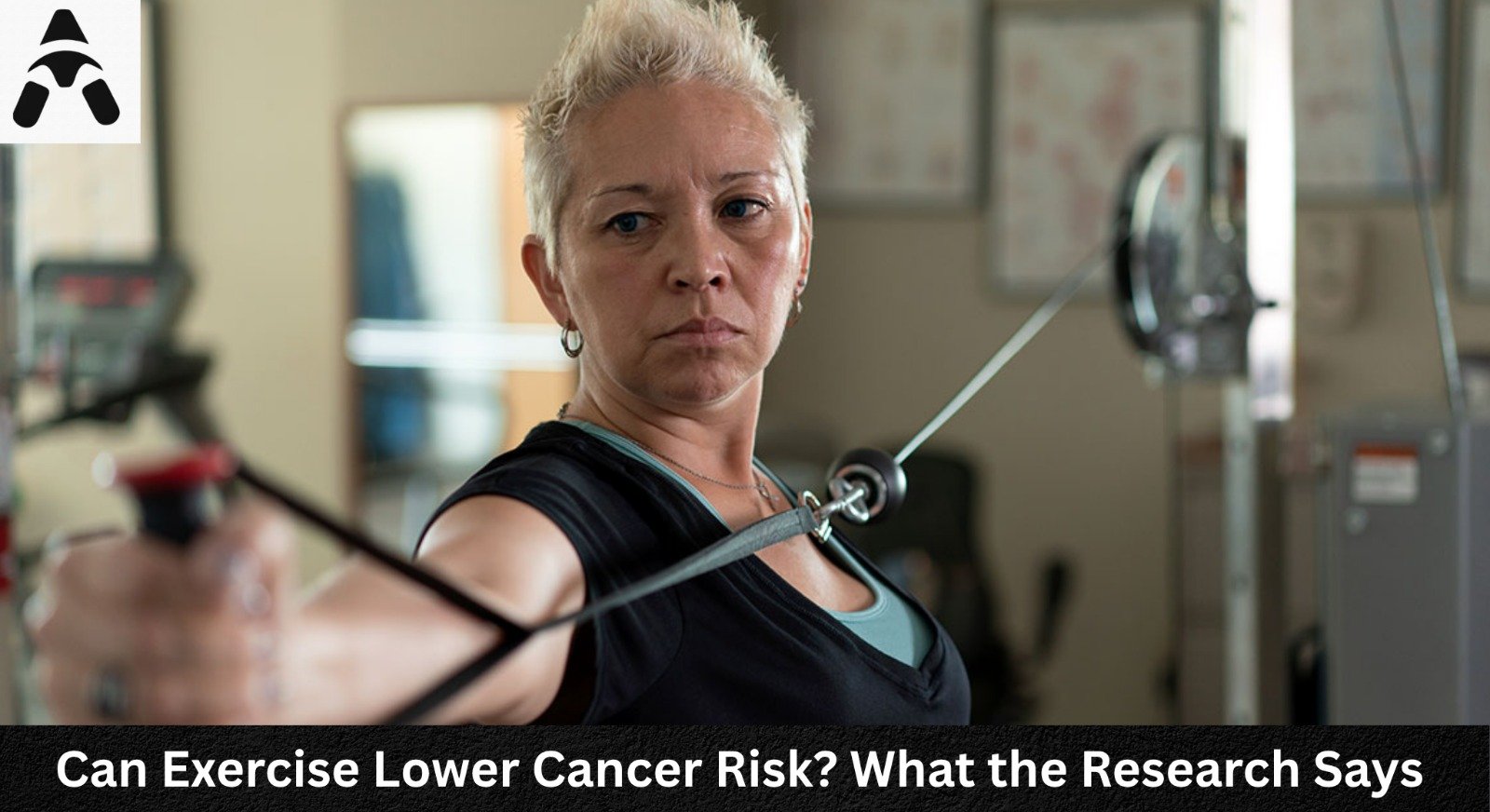
You probably already know that exercise is good for your heart, muscles, weight and overall fitness. But there is another reason to get moving that may be less obvious: regular physical activity is linked to a lower risk of several types of cancer.
That does not mean exercise can guarantee that you will never develop cancer. Cancer is complex, and many factors can influence your risk, including genetics, age, tobacco exposure, certain infections, diet, alcohol consumption and environmental factors.
Still, research has consistently found a connection between staying physically active and cancer prevention.
So, if you have been wondering, “Can exercise lower cancer risk?” the short answer is yes. Regular physical activity can help lower the risk of certain cancers and can be an important part of a healthy lifestyle.
What Does Exercise Have to Do With Cancer Risk?
Think of your body as an interconnected system. Your muscles, hormones, immune system, metabolism, blood circulation and digestive system are constantly communicating with each other.
Regular physical activity can influence several of these processes.
The American Cancer Society reports that physical activity is associated with a lower risk of several cancers, including colon, breast, kidney, uterine, bladder, esophageal and stomach cancers.
Exercise may support cancer prevention in several ways:
- It can help maintain a healthy body weight.
- Physical activity can influence insulin and other metabolic hormones.
- Regular movement may help regulate inflammation.
- Exercise supports metabolic and cardiovascular health.
- Staying active reduces the amount of time spent sitting.
- Physical activity supports overall physical fitness and functioning.
In simple terms, regular exercise can help create an internal environment that supports better overall health.
How Much Exercise Do You Need?
You do not need to become a marathon runner to become more physically active.
For adults, the American Cancer Society recommends 150–300 minutes of moderate-intensity physical activity per week, or 75–150 minutes of vigorous-intensity activity, or a combination of both. It also recommends limiting sedentary behavior.
Depending on your fitness level and preferences, this could include:
- Walking for 30–45 minutes most days
- Cycling
- Swimming
- Dancing
- Jogging
- Playing a sport
- Strength training
- Household activities
- Outdoor activities
The important thing is consistency.
You do not have to complete a difficult workout every day. Finding activities that you enjoy and can maintain over time can make it easier to stay active.
Can Walking Really Make a Difference?
Yes. This is especially encouraging for people who do not enjoy traditional workouts.
A 2025 study supported by the National Cancer Institute involving more than 85,000 adults in the UK found that greater daily physical activity was associated with a lower risk of developing cancer.
Compared with people taking around 5,000 steps per day, those taking approximately 7,000 steps had an 11% lower cancer risk, while those taking around 9,000 steps had a 16% lower risk. The benefit appeared to level off beyond approximately 9,000 steps.
This does not mean that everyone needs to reach 9,000 steps every day.
The important takeaway is that increasing your movement from your current baseline may still be beneficial.
Walking around your neighbourhood, taking the stairs, doing household chores, parking farther away from your destination or taking movement breaks during a long workday can all help you become more active.
Why Might Exercise Lower Cancer Risk?
There is no single explanation for the relationship between exercise and cancer risk. Several biological mechanisms may be involved.
1. Exercise Can Help Control Body Weight
Excess body weight is associated with an increased risk of several cancers.
Regular physical activity can help prevent weight gain and support healthy weight management. Maintaining a healthy weight is therefore one part of an overall cancer-prevention strategy.
2. Exercise Affects Hormones and Metabolism
Physical activity can influence hormones and metabolic processes, including pathways involving insulin and estrogen.
Changes in these pathways may influence how certain cancers develop and progress.
3. Exercise May Help Regulate Inflammation
Long-term, low-level inflammation has been associated with several chronic diseases.
Regular physical activity may help support healthy inflammatory responses and overall metabolic health.
4. Exercise Supports Immune and Cardiovascular Health
Physical activity keeps your heart, lungs and muscles working efficiently and supports circulation and physical function.
While exercise is not a treatment for cancer by itself, maintaining physical fitness can contribute to overall health and resilience.
5. Exercise Reduces Prolonged Sitting
Modern lifestyles often involve spending hours sitting at a desk, in a car or in front of a screen.
Replacing some sedentary time with movement can support better overall health.
The National Cancer Institute has also reported that even light-intensity physical activity is associated with a lower risk of developing cancer. This is encouraging for people who may not currently be ready for vigorous exercise.
Does Exercise Prevent Every Type of Cancer?
No.
Exercise can lower the risk of certain cancers, but it does not eliminate the possibility of developing cancer.
This distinction is important.
A physically active person can still develop cancer, while someone who exercises very little may never develop the disease.
Cancer can develop through a combination of factors, many of which cannot be controlled.
Physical activity should therefore be viewed as one part of a broader cancer-prevention lifestyle.
Other important steps include:
- Avoiding tobacco
- Limiting alcohol consumption
- Following a balanced diet
- Maintaining a healthy body weight
- Following recommended cancer screening guidelines
- Understanding your personal and family history
- Speaking with a doctor about persistent or concerning symptoms
Can Exercise Help People Who Already Have Cancer?
Exercise is not only relevant to cancer prevention.
For people living with cancer, appropriately planned physical activity may support strength, energy, mood, sleep and quality of life.
The American Cancer Society notes that exercise is generally safe and beneficial before, during and after cancer treatment for many people.
However, the right level of activity depends on several factors, including:
- Type of cancer
- Type of treatment
- Treatment-related fatigue
- Recent surgery
- Pain or other symptoms
- Blood counts
- Existing medical conditions
- Overall physical fitness
If you are undergoing chemotherapy, radiation therapy, surgery or immunotherapy, or are recovering from an operation, speak with your cancer care team before starting or significantly changing an exercise programme.
For some people, a short, gentle walk may be a more appropriate starting point than a demanding workout.
Meet the Expert: Dr. Asit Arora
Dr. Asit Arora is a GI & HPB Surgical Oncologist and Clinical Lead at Apollo Hospitals, Delhi, with more than 20 years of experience.
He holds qualifications including MBBS, MS in General Surgery and M.Ch. in Gastrointestinal Surgery.
His clinical expertise includes the diagnosis and surgical management of gastrointestinal and hepatobiliary cancers involving the:
- Stomach
- Colon
- Rectum
- Esophagus
- Liver
- Gallbladder
- Pancreas
Dr. Asit Arora also performs minimally invasive and robotic cancer surgery and has experience in complex cancer procedures, including cytoreductive surgery with HIPEC and PIPEC, neuroendocrine tumours and complex or recurrent gastrointestinal cancers.
Cancer prevention is never about one magic habit. It is about understanding your individual risk, making practical lifestyle changes, recognizing warning signs and seeking appropriate medical advice when something does not feel right.
A Simple Activity-to-Health Timeline
| Step | What You Can Do | Why It Matters |
| Start | Take regular walks and reduce prolonged sitting | Helps build a movement habit |
| Build | Gradually work toward 150 minutes of activity per week | Supports long-term health |
| Add Variety | Try cycling, swimming, dancing or other activities | Makes movement more enjoyable and sustainable |
| Strengthen | Add muscle-strengthening activities at least twice a week, if appropriate | Supports muscle strength and physical function |
| Stay Consistent | Make movement part of your regular routine | Long-term habits matter more than occasional intense workouts |
| If You Have Cancer | Discuss your activity level with your cancer care team | Exercise needs may change during treatment |
Frequently Asked Questions About Exercise and Cancer Risk
Can exercise lower the risk of cancer?
Yes. Regular physical activity is associated with a lower risk of several types of cancer. However, exercise cannot guarantee cancer prevention and should be considered one part of a broader healthy lifestyle.
How much exercise should I do to reduce cancer risk?
Adults should generally aim for 150–300 minutes of moderate-intensity physical activity per week, or 75–150 minutes of vigorous activity, or an appropriate combination of both.
You can spread this activity throughout the week rather than doing it all at once.
Is walking enough to help lower cancer risk?
Walking can contribute to the physical activity associated with a lower cancer risk.
Recent research has also found an association between greater daily step counts and lower cancer risk. You do not necessarily need to reach a specific step target. Increasing your movement from your current level can be a practical starting point.
Can exercise prevent stomach or colon cancer?
Regular physical activity is associated with a lower risk of several cancers, including colorectal and stomach cancer.
However, exercise is only one part of prevention. Following recommended screening guidelines and speaking with a doctor about persistent or concerning digestive symptoms remain important.
Can I exercise during cancer treatment?
Many people can safely remain physically active during cancer treatment, but the appropriate type and intensity of exercise should be personalized.
Your cancer type, treatment, fatigue, blood counts, recent surgery, pain and other medical conditions can all affect what is appropriate.
Always discuss your exercise plan with your cancer care team.
Do I need to exercise every day to reduce cancer risk?
No. You do not necessarily need to exercise every day.
Building regular movement into your week and reducing long periods of sitting can be practical ways to become more active. The goal is to develop sustainable habits that fit your lifestyle.
Take Your Health Seriously
If you are concerned about your cancer risk, experiencing ongoing digestive symptoms, have a previous cancer diagnosis or have questions about cancer treatment, speaking with a qualified medical professional is more helpful than relying solely on information available online.
Regular physical activity is a simple and accessible habit that can contribute to better overall health and may reduce the risk of several cancers. You do not need to transform your lifestyle overnight.
Consult Dr. Asit Arora
GI & HPB Surgical Oncologist and Clinical Lead
Apollo Hospitals, Delhi
OPD: 67, Apollo Hospital
NH-19, Jasola Vihar
New Delhi, Delhi – 110020
Phone: 098212 16022