

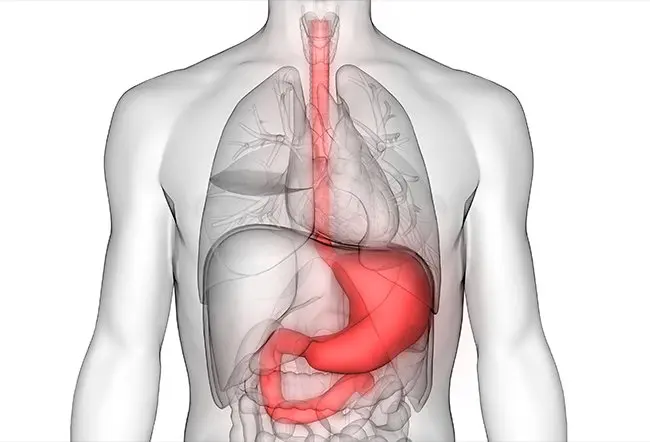
Abdominal and visceral sarcomas are a group of rare cancers that develop in the soft tissues, connective tissues, muscles, blood vessels, nerves, fat, and supporting structures within the abdomen and internal organs. Unlike cancers that arise from the lining of specific organs, these tumors can originate from a variety of tissues and may develop in areas such as the liver, pancreas, retroperitoneum, intestines, mesentery, abdominal wall, or other structures within the abdominal cavity. Because of their diverse origins and uncommon nature, abdominal and visceral sarcomas often require specialized evaluation and multidisciplinary treatment planning.
These tumors can vary significantly in their type, size, growth rate, and biological behavior. Some sarcomas grow slowly and remain localized for a considerable period, while others may grow rapidly and have the potential to spread to distant organs. Retroperitoneal sarcomas, for example, can become quite large before causing noticeable symptoms because they develop deep within the abdomen and may have considerable space to grow.
Symptoms depend on the location and size of the tumor. Patients may experience persistent abdominal discomfort or pain, abdominal swelling or fullness, a palpable mass, loss of appetite, unexplained weight loss, nausea, vomiting, changes in bowel habits, constipation, or difficulty passing urine. Some patients may have no specific symptoms in the early stages, and the tumor may be discovered incidentally during imaging performed for another reason. Symptoms caused by pressure on nearby organs can become more noticeable as the tumor increases in size.
Diagnosis generally begins with a detailed clinical assessment and appropriate imaging. Contrast-enhanced CT scans are commonly used to evaluate the abdomen and determine the location, size, and relationship of the tumor to surrounding organs and major blood vessels. MRI may provide additional information for selected tumors and anatomical locations. A carefully planned image-guided core needle biopsy is often performed to establish the exact type of sarcoma and determine its grade. Specialized pathological examination, including immunohistochemistry and molecular testing when required, can help distinguish between different sarcoma subtypes and guide treatment decisions.
Surgery is an important component of treatment for many localized abdominal and visceral sarcomas. The surgical approach depends on the tumor's location, size, subtype, involvement of surrounding organs, and relationship with major blood vessels and other critical structures. In some cases, complete removal of the tumor may require removal of one or more adjacent organs or structures to achieve an appropriate cancer clearance. The objective is to achieve the best possible tumor control while preserving essential organ function whenever safely possible.
Some patients may benefit from additional treatment before or after surgery depending on the specific sarcoma subtype and individual risk factors. Radiation therapy may be considered in selected cases, particularly for certain soft tissue sarcomas where local control is a major concern. Chemotherapy and newer systemic or targeted treatments may also have a role for specific sarcoma subtypes, especially when the disease is advanced, recurrent, or cannot be completely removed surgically.
Because abdominal and visceral sarcomas are uncommon and can involve complex anatomy, treatment is best planned by a multidisciplinary team experienced in sarcoma care. Surgical oncology, medical oncology, radiation oncology, radiology, pathology, gastroenterology, and other specialists may work together to determine the most appropriate treatment strategy. Careful preoperative planning, accurate pathological diagnosis, and appropriate surgical expertise are particularly important for complex tumors involving vital abdominal structures.
Follow-up after treatment is an essential part of long-term care. Regular clinical assessments and imaging may be recommended to monitor for local recurrence or spread to other parts of the body. The frequency and type of surveillance depend on the sarcoma subtype, tumor grade, stage, treatment received, and individual risk of recurrence.
With a personalized treatment plan and coordinated multidisciplinary care, patients with abdominal and visceral sarcomas can receive comprehensive management focused on tumor control, surgical safety, preservation of function, and long-term follow-up. Early specialist evaluation of a suspicious abdominal mass or unexplained persistent symptoms can help establish an accurate diagnosis and identify appropriate treatment options.