

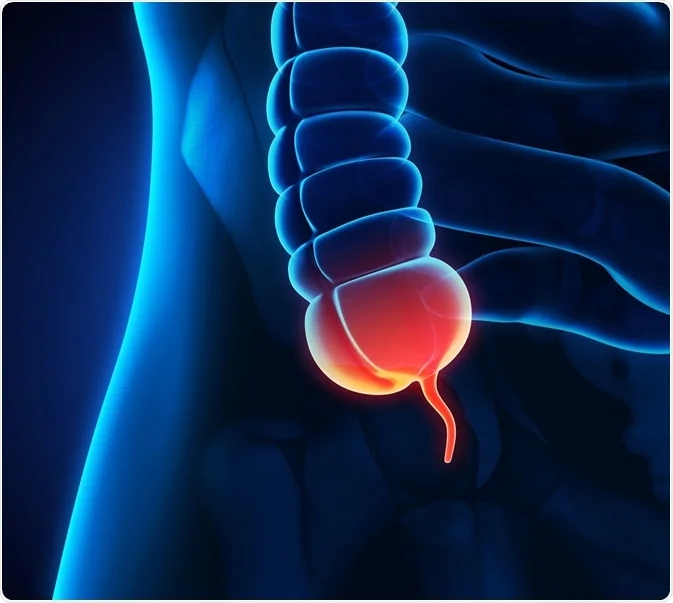
Malignant Peritoneal Mesothelioma (MPM) is a rare and aggressive cancer that develops in the peritoneum, the thin layer of tissue lining the abdominal cavity and covering many of the organs within it. Unlike pleural mesothelioma, which affects the lining around the lungs, peritoneal mesothelioma primarily involves the abdominal lining.
MPM can develop without a clearly identifiable cause in many patients. Exposure to asbestos is a recognized risk factor for mesothelioma, although the relationship between asbestos exposure and peritoneal mesothelioma is less consistent than it is for pleural mesothelioma. Because MPM is uncommon and its symptoms can resemble those of several other abdominal conditions, diagnosis may sometimes be challenging.
The disease can spread across the peritoneal surfaces and form multiple tumor deposits within the abdomen. As the tumor progresses, it may affect the intestines, abdominal organs, and surrounding tissues. Accumulation of fluid in the abdomen, known as ascites, can also occur.
Symptoms of Malignant Peritoneal Mesothelioma
The symptoms of MPM may develop gradually and can vary depending on the extent and location of the disease. Early symptoms are sometimes nonspecific, which can make the condition difficult to recognize.
Common symptoms may include:
- Persistent or recurrent abdominal pain
- Abdominal swelling or increasing abdominal size
- A feeling of fullness or pressure in the abdomen
- Abdominal discomfort after eating
- Loss of appetite
- Unexplained weight loss
- Nausea or vomiting
- Changes in bowel habits
- Constipation or diarrhea
- Fatigue and reduced energy
- Shortness of breath related to significant abdominal fluid accumulation
- Ascites or fluid buildup within the abdomen
Because these symptoms can occur with many gastrointestinal and abdominal conditions, persistent or unexplained symptoms should be evaluated by an appropriate medical specialist.
How Malignant Peritoneal Mesothelioma Develops
MPM originates from mesothelial cells that form the lining of the peritoneal cavity. Abnormal changes in these cells can cause uncontrolled growth and the formation of malignant tumors.
Instead of behaving like a localized mass, peritoneal mesothelioma may spread across the abdominal surfaces. Tumor deposits can develop on the peritoneum and may gradually involve different regions of the abdomen.
As the disease progresses, tumor deposits can interfere with normal abdominal and intestinal function. In some patients, the disease can lead to significant fluid accumulation, bowel obstruction, nutritional problems, or other complications.
The biological behavior of MPM varies between patients. Pathological examination is therefore important to determine the specific type and characteristics of the tumor.
Diagnosis of Malignant Peritoneal Mesothelioma
Diagnosing MPM requires careful clinical evaluation and appropriate investigations. Since the disease is rare and may resemble other abdominal cancers or inflammatory conditions, diagnosis often requires assessment by specialists experienced in peritoneal malignancies.
Imaging studies such as CT scans of the abdomen and pelvis are commonly performed to evaluate the peritoneal surfaces, abdominal organs, tumor deposits, lymph nodes, and the presence of ascites.
MRI or other imaging investigations may be recommended in selected cases to provide additional information about the extent of disease.
If fluid is present within the abdomen, it may be examined as part of the diagnostic evaluation. However, fluid analysis alone may not always provide a definitive diagnosis.
A biopsy is generally important for confirming malignant peritoneal mesothelioma. Tissue samples are examined by a specialist pathologist, often using immunohistochemical testing to distinguish mesothelioma from other types of abdominal cancer.