

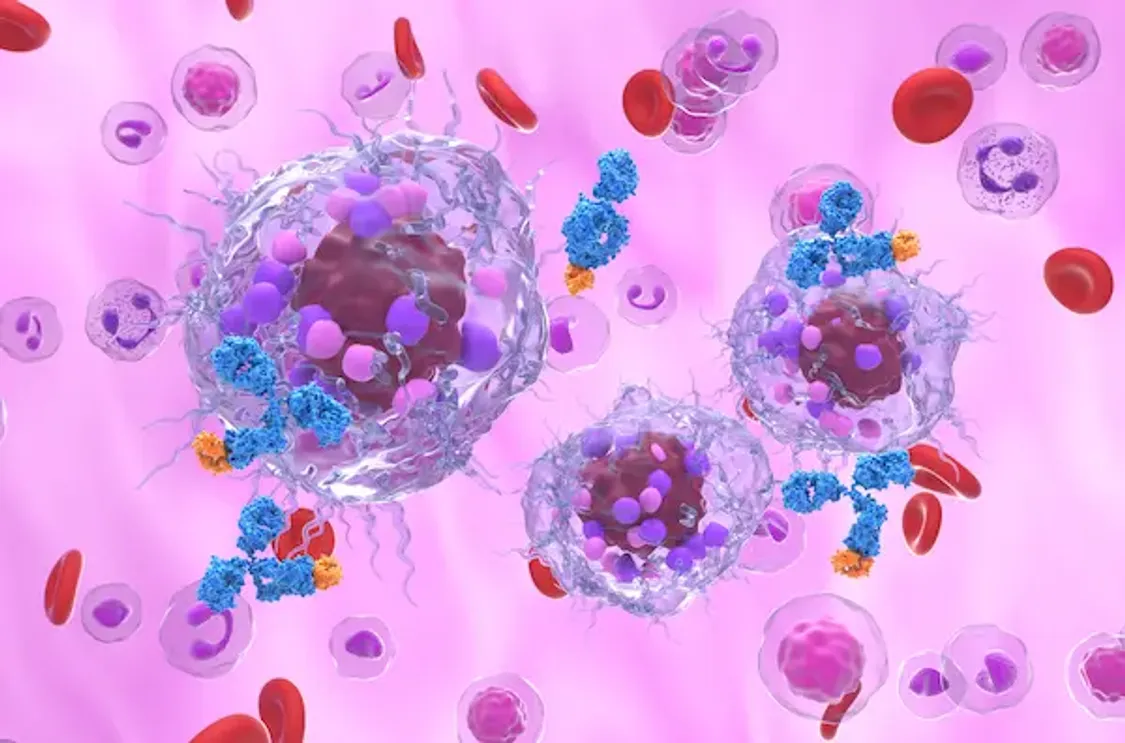
Gastrointestinal Neuroendocrine Tumors (GI NETs) are uncommon tumors that develop from specialized neuroendocrine cells located throughout the digestive system. These cells have characteristics of both nerve cells and hormone-producing cells and play an important role in regulating digestion and other body functions. Gastrointestinal Neuroendocrine Tumors can develop in different parts of the digestive tract, including the stomach, small intestine, appendix, colon, and rectum. Their behavior varies widely, with some tumors growing slowly and remaining localized for many years, while others may grow more rapidly and spread to lymph nodes or distant organs.
GI NETs are different from more common gastrointestinal cancers because their biological behavior, hormone production, treatment options, and prognosis can vary considerably. Some tumors produce biologically active hormones that cause specific symptoms, while others do not produce noticeable hormonal effects. Accurate diagnosis and detailed assessment of the tumor are therefore essential for developing an appropriate treatment plan.
Types and Locations of Gastrointestinal Neuroendocrine Tumors
Gastrointestinal Neuroendocrine Tumors are classified according to their location within the digestive tract. Gastric neuroendocrine tumors develop in the stomach and may be associated with changes in stomach acid production or certain underlying gastric conditions. Small intestinal neuroendocrine tumors, particularly those arising in the ileum, are among the more frequently encountered GI NETs and may sometimes involve nearby lymph nodes or the mesentery.
Appendiceal neuroendocrine tumors are often discovered unexpectedly after an appendectomy performed for suspected appendicitis. Their management depends on factors such as tumor size, location, grade, depth of invasion, and other pathological characteristics.
Colorectal and rectal neuroendocrine tumors can be identified during colonoscopy or other gastrointestinal investigations. Small, localized lesions may sometimes be treated with endoscopic techniques, while larger or more invasive tumors may require surgical management.
Functional and Non-Functional Tumors
Some gastrointestinal neuroendocrine tumors are functional, meaning they release hormones or other biologically active substances that cause recognizable symptoms. Others are non-functional and do not produce sufficient hormones to cause a specific clinical syndrome.
Hormone-producing GI NETs can sometimes cause symptoms such as abdominal discomfort, diarrhea, flushing, wheezing, changes in heart rate, or unexplained weight changes. These symptoms depend on the hormones produced and whether the tumor has spread to other organs.
A group of symptoms known as carcinoid syndrome may occur in some patients, particularly when a serotonin-producing neuroendocrine tumor has spread to the liver. Carcinoid syndrome can include recurrent flushing, diarrhea, abdominal cramping, and wheezing. Not every patient with a neuroendocrine tumor develops carcinoid syndrome.