

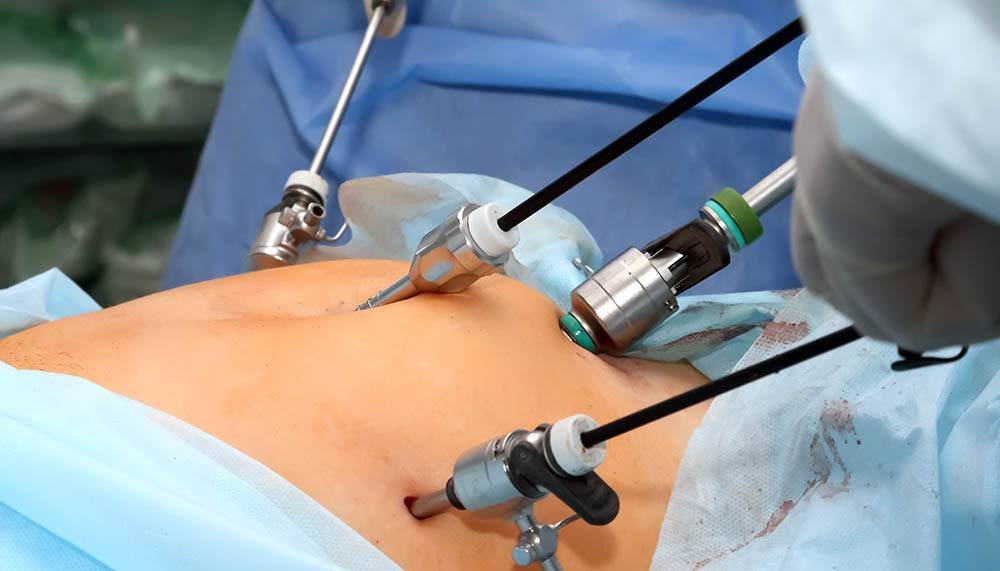
Laparoscopic Sigmoidectomy is an advanced minimally invasive surgical procedure used to remove the sigmoid colon, which is the lower part of the large intestine located between the descending colon and rectum. The procedure may be recommended for patients with sigmoid colon cancer, complicated diverticular disease, recurrent diverticulitis, intestinal obstruction, perforation, severe bleeding, or other conditions affecting the sigmoid colon. The goal is to safely remove the diseased section while preserving healthy bowel and maintaining normal digestive function whenever possible.
Unlike traditional open surgery, Laparoscopic Sigmoidectomy is performed through several small abdominal incisions. A thin, high-definition laparoscope with a camera is inserted through one of the incisions, providing a magnified view of the abdominal cavity, sigmoid colon, surrounding tissues, and important blood vessels. Specialized surgical instruments are introduced through the remaining small incisions, allowing the surgeon to perform careful dissection, control blood vessels, remove the affected section of the sigmoid colon, and reconstruct the bowel.
For patients with sigmoid colon cancer, the procedure involves removal of the tumor along with an appropriate margin of healthy bowel and the associated regional lymph nodes. The lymph nodes are examined by a pathologist to determine the extent and stage of the disease and to help guide further treatment. The surgical approach is carefully planned to achieve complete removal of the tumor while preserving bowel function whenever safely possible.
In patients with diverticular disease, Laparoscopic Sigmoidectomy may be recommended when diverticulitis is recurrent, complicated, or associated with problems such as abscess, fistula, stricture, perforation, or persistent symptoms. Removing the affected segment can help address the diseased portion of the bowel and reduce the risk of further complications in appropriately selected patients.
During the procedure, the sigmoid colon is carefully mobilized from the surrounding tissues. The surgeon identifies and controls the blood vessels supplying the affected bowel segment while protecting nearby structures, including the ureters and important pelvic tissues. The diseased portion of the sigmoid colon is then divided and removed through a small incision, which may be slightly extended when necessary to safely retrieve the surgical specimen.
After the affected section has been removed, the healthy ends of the colon and rectum are generally joined together. This surgical connection is known as a colorectal anastomosis. The purpose of the reconstruction is to restore continuity of the digestive tract and allow bowel contents to pass normally. In selected situations, such as emergency surgery, severe infection, perforation, poor tissue condition, or other factors that increase the risk of anastomotic complications, a temporary or permanent stoma may be required.
One of the key benefits of the laparoscopic approach is the use of smaller incisions compared with conventional open sigmoid surgery. In appropriately selected patients, this may result in less postoperative pain, reduced blood loss, smaller scars, earlier mobilization, shorter hospitalization, and a faster return to everyday activities. The magnified laparoscopic view can also provide detailed visualization of delicate anatomical structures, supporting careful and precise surgical dissection.
Before surgery, patients undergo a detailed clinical assessment to determine whether Laparoscopic Sigmoidectomy is appropriate. Depending on the underlying condition, investigations may include colonoscopy, biopsy, CT scan, MRI, blood tests, and other diagnostic evaluations. For patients with colorectal cancer, additional staging investigations may be performed to determine whether the disease has spread beyond the sigmoid colon and to develop an appropriate comprehensive treatment plan.
The procedure is performed under general anesthesia. The surgeon carefully accesses the abdominal cavity, examines the relevant structures, and mobilizes the sigmoid colon. The diseased bowel segment and associated tissues are removed according to the surgical plan. In cancer surgery, appropriate lymph node clearance is performed, and the specimen is sent for detailed pathological examination. The bowel is then reconstructed when medically appropriate.
Laparoscopic Sigmoidectomy can be performed as a planned elective procedure or, in selected situations, as an urgent or emergency operation. Elective surgery allows time for comprehensive evaluation, medical optimization, nutritional assessment, and bowel preparation when appropriate. Emergency surgery may be required in cases of perforation, severe infection, obstruction, uncontrolled bleeding, or other serious complications. The safest surgical approach depends on the patient’s condition and findings during surgery.
Recovery after Laparoscopic Sigmoidectomy varies according to the underlying disease, extent of surgery, overall health, and whether the procedure was elective or performed in an emergency. Patients are generally encouraged to begin walking as early as safely possible. Food and fluids are gradually reintroduced as bowel function returns, while pain management, wound care, hydration, and nutritional support are provided according to individual needs.
Temporary changes in bowel habits can occur following sigmoid colon surgery. Patients may experience changes in stool frequency, consistency, urgency, or bowel movement patterns during the early recovery period. The digestive system generally adapts over time, although the extent and duration of changes vary between individuals. Appropriate dietary guidance, hydration, physical activity, and follow-up can support recovery.
For patients undergoing Laparoscopic Sigmoidectomy for cancer, the final pathology report is an important part of postoperative care. It provides information about the tumor characteristics, surgical margins, lymph node involvement, and disease stage. Based on these findings, the multidisciplinary cancer team may recommend additional treatment such as chemotherapy or structured surveillance when appropriate.
As with any major abdominal surgery, Laparoscopic Sigmoidectomy carries potential risks. These may include bleeding, infection, blood clots, injury to surrounding structures, bowel obstruction, urinary or digestive changes, anastomotic leakage, and complications related to anesthesia. In some cases, conversion from laparoscopic to open surgery may be necessary if the disease is extensive, anatomy is difficult, severe inflammation is present, or conversion is considered safer for the patient.
Laparoscopic Sigmoidectomy is an important procedure in modern colorectal surgery, providing a minimally invasive option for treating selected diseases of the sigmoid colon. With careful patient selection, detailed preoperative planning, advanced laparoscopic techniques, and experienced colorectal surgical care, the procedure aims to effectively remove diseased bowel while preserving healthy tissue, maintaining digestive continuity whenever possible, and supporting a smoother postoperative recovery.