

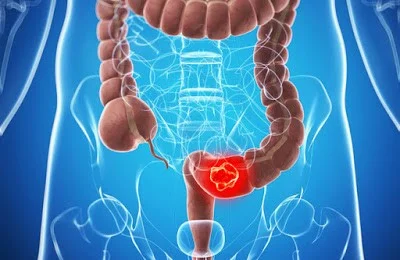
Colon cancer is a type of cancer that develops in the inner lining of the colon, which is an important part of the large intestine and digestive system. It often begins as small abnormal growths called polyps. While many polyps are harmless, some can gradually develop into cancer over several years. Detecting and removing certain polyps early can help reduce the risk of colon cancer.
Colon cancer can affect people of different ages, although the risk generally increases with age. Family history of colorectal cancer, certain inherited conditions, inflammatory bowel diseases, obesity, smoking, alcohol consumption, physical inactivity, and diets high in processed or red meat may increase the risk. However, colon cancer can also occur in people without any known risk factors.
Symptoms of Colon Cancer
Early colon cancer may not cause obvious symptoms. As the disease progresses, patients may experience changes in bowel habits, persistent constipation or diarrhoea, a change in stool consistency, blood in the stool, rectal bleeding, abdominal pain or cramping, excessive gas, unexplained weight loss, weakness, or persistent fatigue. Iron-deficiency anaemia without an obvious cause can also sometimes be associated with colon cancer.
These symptoms do not always mean that a person has cancer, as they can occur with several other digestive conditions. However, persistent or unusual symptoms should be evaluated by a qualified medical professional.
Diagnosis of Colon Cancer
Diagnosis usually begins with a detailed medical history, physical examination, and appropriate investigations. Colonoscopy is an important diagnostic procedure because it allows the doctor to examine the lining of the colon and identify suspicious growths or polyps. If an abnormal area is found, a biopsy may be performed to confirm whether cancer cells are present.
Additional imaging and laboratory tests may be recommended to determine the extent of the disease and help with treatment planning. The stage of colon cancer is an important factor in deciding the most appropriate treatment approach.