

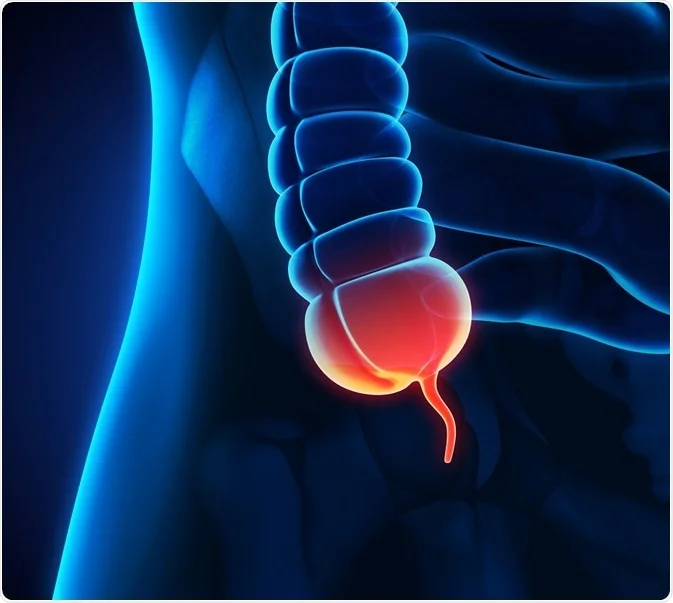
Pseudomyxoma Peritonei (PMP) is a rare and complex condition in which mucus-producing tumor cells spread throughout the abdominal or peritoneal cavity. It most commonly develops from tumors arising in the appendix, although in some cases the exact origin may be difficult to determine. As these abnormal cells spread, they produce a thick, jelly-like substance called mucin. Over time, mucin and tumor deposits can accumulate within the abdomen and gradually affect the surrounding organs.
PMP is often a slow-growing condition, but its behavior can vary significantly from one patient to another. Some forms remain relatively localized for a long period, while more aggressive disease can spread extensively across the peritoneal surfaces. Because the disease can involve multiple areas of the abdomen, early specialist evaluation and appropriate treatment planning are important.
What Happens in Pseudomyxoma Peritonei?
PMP often begins with a tumor in the appendix. In certain cases, the tumor can cause the appendix to rupture or release abnormal cells into the abdominal cavity. These cells can then attach to the lining of the abdomen, known as the peritoneum, and continue producing mucin.
Instead of spreading primarily through the bloodstream like many other cancers, PMP tends to spread across the surfaces and spaces within the abdominal cavity. The accumulating mucin can gradually surround abdominal organs, including the intestines, stomach, liver surface, and other structures. This process may eventually interfere with normal digestion and bowel function.
The amount and distribution of mucin, the number of tumor deposits, and the biological behavior of the tumor are important factors in determining the severity of the condition and the most appropriate treatment approach.
Symptoms of Pseudomyxoma Peritonei
PMP may develop gradually, and symptoms can sometimes be subtle during the early stages. Some patients may not have significant symptoms until the disease has progressed.
Common symptoms may include:
- Increasing abdominal size or persistent abdominal swelling
- Abdominal discomfort, pressure, or pain
- A feeling of fullness after eating small amounts of food
- Changes in bowel habits
- Constipation or difficulty passing stool
- Nausea or digestive discomfort
- Reduced appetite
- Unexplained weight changes
- Increasing abdominal girth
- Symptoms resembling an abdominal hernia
- Fatigue or general weakness
In some patients, PMP may be discovered incidentally during investigations or surgery performed for suspected appendicitis, an abdominal mass, or another gastrointestinal problem.
Causes and Development of PMP
The majority of PMP cases are associated with mucus-producing tumors of the appendix. These tumors can release abnormal cells into the peritoneal cavity, where they implant on different abdominal surfaces and continue producing mucin.
The disease may initially be confined to a limited area but can gradually spread throughout the abdomen. The mucin can accumulate in significant quantities and create pressure on nearby organs. Over time, the peritoneal cavity may become filled with mucin and tumor deposits.
PMP is not a single uniform disease. Its behavior depends on the type and grade of the underlying tumor. Pathological examination helps specialists understand the tumor characteristics and determine the likely behavior of the disease.
Diagnosis of Pseudomyxoma Peritonei
Accurate diagnosis is essential for determining the extent of disease and selecting the most appropriate treatment. Evaluation usually involves a combination of clinical assessment, imaging, laboratory investigations, and pathological examination.
A CT scan of the abdomen and pelvis is commonly used to evaluate mucinous deposits, abdominal organs, bowel involvement, and the overall distribution of disease. Imaging can provide important information about the extent of peritoneal involvement and help specialists plan further treatment.
Blood tests and selected tumor markers may also be used as part of the overall evaluation. In certain situations, tissue or fluid samples may be examined to confirm the diagnosis and determine the characteristics of the tumor.
During surgery, the surgeon may assess the entire abdominal cavity to determine the distribution and volume of disease. This assessment is particularly important when considering cytoreductive surgery and HIPEC.
Treatment of Pseudomyxoma Peritonei
Treatment for PMP depends on several factors, including the extent of disease, tumor grade, involvement of abdominal organs, overall health, and whether complete or near-complete removal of visible disease is technically possible.
For appropriately selected patients, the main treatment approach may involve Cytoreductive Surgery (CRS) combined with Hyperthermic Intraperitoneal Chemotherapy (HIPEC).
Cytoreductive Surgery (CRS)
Cytoreductive surgery is an extensive surgical procedure designed to remove visible tumor deposits and mucin from the abdominal cavity. Depending on the distribution of the disease, surgery may involve removal of affected areas of the peritoneum and, when necessary, portions of involved organs.
The goal is to achieve the greatest possible removal of visible disease while preserving healthy organs whenever safely possible. The exact extent of surgery varies considerably between patients because PMP can affect different parts of the abdomen.
CRS is a complex procedure and requires detailed preoperative assessment and careful surgical planning. In selected patients, achieving complete or near-complete cytoreduction can be an important factor in long-term disease control.
Hyperthermic Intraperitoneal Chemotherapy (HIPEC)
HIPEC is a specialized treatment performed during surgery after visible tumor deposits have been removed as completely as possible.
During HIPEC, heated chemotherapy is circulated directly within the abdominal cavity for a specified period. The treatment is designed to target microscopic tumor cells that may remain after surgery.
Delivering chemotherapy directly into the peritoneal cavity allows the treatment to come into close contact with the abdominal surfaces at risk of microscopic disease. The use of heated chemotherapy is intended to enhance its local therapeutic effect.
CRS and HIPEC are therefore complementary approaches: surgery focuses on removing visible disease, while HIPEC is used to address microscopic residual tumor cells within the abdominal cavity.