

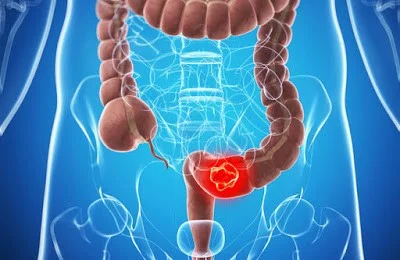
Rectal cancer is a type of colorectal cancer that develops in the tissues of the rectum, the lower part of the large intestine that connects the colon to the anus. It usually develops gradually, often beginning as abnormal cells or polyps that can become cancerous over time. Early diagnosis and appropriate treatment are important for controlling the disease, reducing the risk of recurrence, and preserving bowel function whenever possible.
Rectal cancer can occur in people of different ages and may develop with or without obvious risk factors. The risk may be influenced by increasing age, a family history of colorectal cancer, certain inherited genetic conditions, inflammatory bowel disease, obesity, smoking, alcohol consumption, physical inactivity, and certain dietary patterns. Individuals with a personal or family history of colorectal cancer may require earlier or more frequent screening.
Symptoms of Rectal Cancer
Rectal cancer may cause changes in bowel habits or other digestive symptoms. Common symptoms can include blood in the stool or rectal bleeding, persistent constipation or diarrhoea, changes in stool shape or consistency, a feeling of incomplete bowel emptying, increased urgency to pass stools, abdominal or pelvic discomfort, unexplained weight loss, weakness, and persistent fatigue.
Some patients may experience symptoms that resemble haemorrhoids or other common bowel conditions. However, persistent rectal bleeding or a significant change in bowel habits should not be ignored. Medical evaluation can help determine the underlying cause and identify any serious condition at an early stage.
Diagnosis of Rectal Cancer
Diagnosis generally involves a combination of clinical assessment, physical examination, endoscopic evaluation, imaging, and tissue testing. Colonoscopy or other endoscopic procedures may be performed to examine the rectum and colon and identify abnormal areas.
If a suspicious growth is found, a biopsy may be taken for microscopic examination to confirm the presence of cancer. Imaging investigations such as MRI, CT scans, or other appropriate tests may be used to determine the size and location of the tumour, assess nearby lymph nodes, and check whether the disease has spread to other parts of the body.
Accurate staging is particularly important in rectal cancer because the tumour's location and depth can influence the choice and sequence of treatment.
Treatment for Rectal Cancer
Treatment for rectal cancer depends on several factors, including the stage of the cancer, tumour size and location, involvement of lymph nodes, presence of distant spread, and the patient's overall health.
Depending on the stage, treatment may involve surgery, chemotherapy, radiation therapy, targeted therapy, immunotherapy, or a combination of these approaches. In many locally advanced rectal cancers, chemotherapy and radiation or other preoperative treatments may be given before surgery to shrink the tumour, improve the chances of complete removal, and reduce the risk of recurrence.
Surgery remains an important component of treatment for many patients. The surgical approach is selected according to the tumour's location, stage, relationship to surrounding structures, and the goal of preserving normal bowel and sphincter function whenever safely possible.