

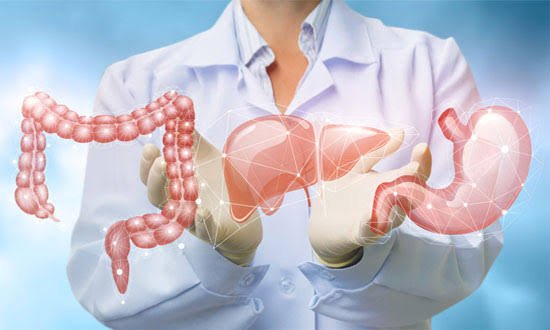
Gastroesophageal Junction (GEJ) Cancer is a type of cancer that develops in the area where the esophagus meets the stomach, known as the gastroesophageal junction. This region plays an important role in the movement of food from the esophagus into the stomach and is anatomically complex, making the diagnosis and treatment of cancers in this area particularly specialized.
GEJ cancers can arise from the lower part of the esophagus, the upper part of the stomach, or directly around the gastroesophageal junction. Most are adenocarcinomas, although other types can occur. Because of their location, GEJ cancers may share features with both esophageal and gastric cancers, and treatment is determined according to the exact location, stage, tumor biology, and overall health of the patient.
Early diagnosis and accurate staging are important because GEJ cancer can invade nearby tissues and spread to regional lymph nodes or distant organs. Modern treatment may involve a combination of surgery, chemotherapy, radiation therapy, targeted therapy, immunotherapy, and nutritional support depending on the individual case.
What Is Gastroesophageal Junction Cancer?
The gastroesophageal junction is the area where the esophagus connects with the stomach. A specialized valve-like region helps regulate the movement of food and stomach contents between these two organs.
GEJ cancer develops when abnormal cells in this region begin to grow uncontrollably and form a malignant tumor. The tumor may gradually invade the layers of the esophageal or stomach wall and can extend into nearby structures.
As the disease progresses, cancer cells may spread to nearby lymph nodes or travel through the bloodstream and lymphatic system to distant organs such as the liver or lungs.
Because the exact site where the tumor originates can influence treatment, detailed assessment of the tumor's location is an essential part of diagnosis.