

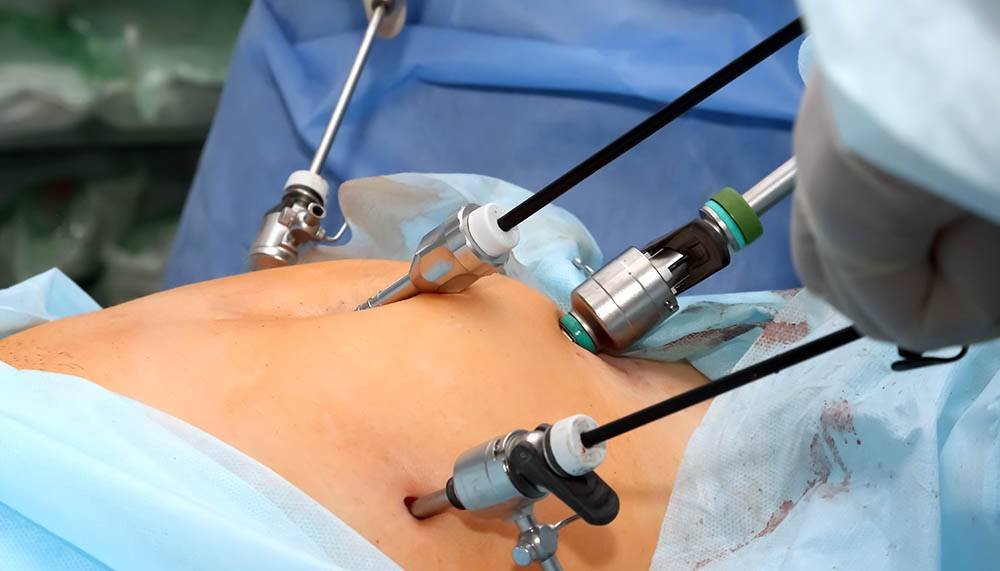
Laparoscopic Cholecystectomy is a minimally invasive surgical procedure used to remove the gallbladder. It is one of the most commonly performed laparoscopic procedures and is primarily used to treat gallstones and complications caused by gallbladder disease. The procedure may be recommended for patients experiencing recurrent gallstone attacks, inflammation of the gallbladder, gallstone-related infections, or other conditions affecting normal gallbladder function.
The gallbladder is a small, pear-shaped organ located beneath the liver. It stores and concentrates bile, a digestive fluid produced by the liver that helps the body digest fats. Gallstones can develop within the gallbladder and may sometimes block the normal flow of bile, leading to abdominal pain, inflammation, infection, nausea, vomiting, or other digestive symptoms. When gallstones or gallbladder disease cause persistent or recurrent problems, surgical removal of the gallbladder may be advised.
During Laparoscopic Cholecystectomy, the surgeon performs the procedure through several small incisions in the abdomen rather than through a single large incision. A thin, high-definition laparoscope with a camera is inserted through one of the incisions, providing a magnified view of the gallbladder and surrounding structures on a surgical monitor. Specialized surgical instruments are introduced through the other small incisions, allowing the surgeon to carefully identify, separate, and remove the gallbladder.
The surgeon first carefully identifies the cystic duct and cystic artery, which connect the gallbladder to the biliary system and its blood supply. These structures are securely clipped or sealed before the gallbladder is separated from the liver and removed through one of the small incisions. The surgical area is then inspected to ensure appropriate control of bleeding and to check for any bile leakage or other concerns.
Laparoscopic Cholecystectomy is commonly performed for symptomatic gallstones, recurrent biliary colic, acute or chronic cholecystitis, gallstone-related complications, and certain gallbladder polyps or other gallbladder conditions when surgical removal is considered appropriate. In some patients, the procedure may also be recommended following complications caused by stones entering the bile ducts.
One of the major benefits of the laparoscopic approach is the use of small abdominal incisions. Compared with conventional open gallbladder surgery, laparoscopic surgery generally offers less postoperative pain, smaller scars, reduced wound-related problems, earlier movement, shorter hospitalization, and a quicker return to normal daily activities for appropriately selected patients. The magnified camera view also allows the surgeon to carefully visualize the anatomy during the procedure.
Before surgery, the patient undergoes a detailed clinical evaluation. This may include an abdominal ultrasound, blood tests, liver function tests, and additional imaging such as magnetic resonance cholangiopancreatography or other investigations when required. The evaluation helps identify the presence of gallstones, inflammation, bile duct abnormalities, or other conditions that may influence the surgical plan.
The procedure is performed under general anesthesia. After the gallbladder is removed, the specimen may be sent for laboratory and pathological examination when indicated. Most patients are able to gradually resume oral intake after surgery and are encouraged to walk early as part of their recovery. Dietary recommendations may be provided according to the patient’s symptoms and individual recovery.
Most people can live normally without a gallbladder. After removal, the liver continues to produce bile, but instead of being stored in the gallbladder, bile flows directly into the small intestine. Some patients may experience temporary changes in digestion following surgery, but many return to their usual diet and activities as recovery progresses.
As with any surgical procedure, Laparoscopic Cholecystectomy carries certain risks. These may include bleeding, infection, bile leakage, injury to the bile duct or nearby organs, blood clots, reactions to anesthesia, or the need to convert to open surgery in certain circumstances. Although uncommon, complications can be more likely when there is severe inflammation, previous abdominal surgery, complex anatomy, or significant gallbladder disease.
In selected patients with severe inflammation or complicated gallbladder disease, the surgeon may determine during the operation that a different surgical technique or conversion to open surgery is the safest option. The surgical approach is always chosen based on the patient’s individual condition and the findings during the procedure.
Laparoscopic Cholecystectomy has become an important standard approach for the surgical management of symptomatic gallbladder disease. With careful preoperative assessment, appropriate patient selection, and experienced surgical care, it provides an effective minimally invasive option for removing the diseased gallbladder while supporting a comfortable recovery and early return to everyday activities.