

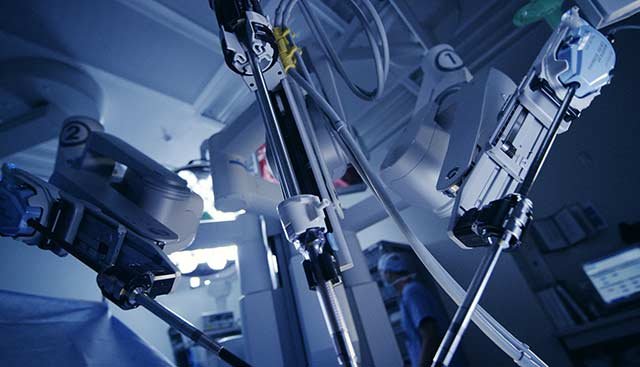
Robotic Whipple Procedure, medically known as Robotic Pancreaticoduodenectomy, is an advanced minimally invasive surgical procedure used to treat selected tumors and diseases involving the head of the pancreas, duodenum, bile duct, and nearby structures. It is one of the most complex operations in gastrointestinal and hepatopancreatobiliary surgery and requires detailed anatomical knowledge, precise surgical technique, and careful multidisciplinary planning.
The procedure involves removal of the head of the pancreas, duodenum, gallbladder, and part of the bile duct, along with regional lymph nodes when appropriate. In selected cases, a portion of the stomach may also be removed depending on the surgical technique and location of the disease. After the diseased tissues are removed, the digestive and biliary systems are carefully reconstructed to restore the normal flow of pancreatic enzymes, bile, and food.
The robotic approach uses a specialized surgical system that provides high-definition, magnified three-dimensional visualization and articulated instruments. These features can assist the surgeon during delicate dissection and reconstruction in the upper abdomen.
Conditions Treated with a Robotic Whipple Procedure
The Whipple procedure is most commonly performed for selected cancers involving the pancreatic head. It may also be considered for certain tumors and diseases involving the distal bile duct, ampulla of Vater, duodenum, and other nearby structures.
Conditions that may require pancreaticoduodenectomy include:
- Pancreatic head cancer
- Selected periampullary tumors
- Ampullary cancer
- Distal bile duct cancer
- Selected duodenal tumors
- Certain pancreatic neuroendocrine tumors
- Selected cystic or premalignant pancreatic lesions
- Other carefully selected diseases involving the pancreatic head and surrounding structures
The suitability of robotic surgery depends on the extent of disease, involvement of major blood vessels, the patient’s overall health, previous abdominal surgery, and the surgeon’s assessment.
How Robotic Whipple Procedure Is Performed
Robotic Whipple surgery is performed under general anesthesia through several small abdominal incisions. A three-dimensional robotic camera and specialized instruments are inserted through these openings. The surgeon controls the robotic system from a console, allowing precise movements during dissection, tissue handling, lymph node removal, and reconstruction.
The procedure begins with a careful assessment of the abdominal cavity and the relationship of the tumor to surrounding organs and blood vessels. The surgeon then mobilizes the duodenum and pancreatic head and carefully identifies important structures such as the portal vein, superior mesenteric vessels, hepatic artery, bile duct, and surrounding lymphatic tissues.
The diseased portion of the pancreas, duodenum, gallbladder, and distal bile duct is removed according to the planned oncological resection. Regional lymph nodes are also removed when indicated.
Following removal of the diseased tissues, the digestive tract is reconstructed using a series of carefully created connections. These typically include a connection between the remaining pancreas and small intestine, a connection between the bile duct and small intestine, and a connection between the stomach or duodenum and small intestine.