

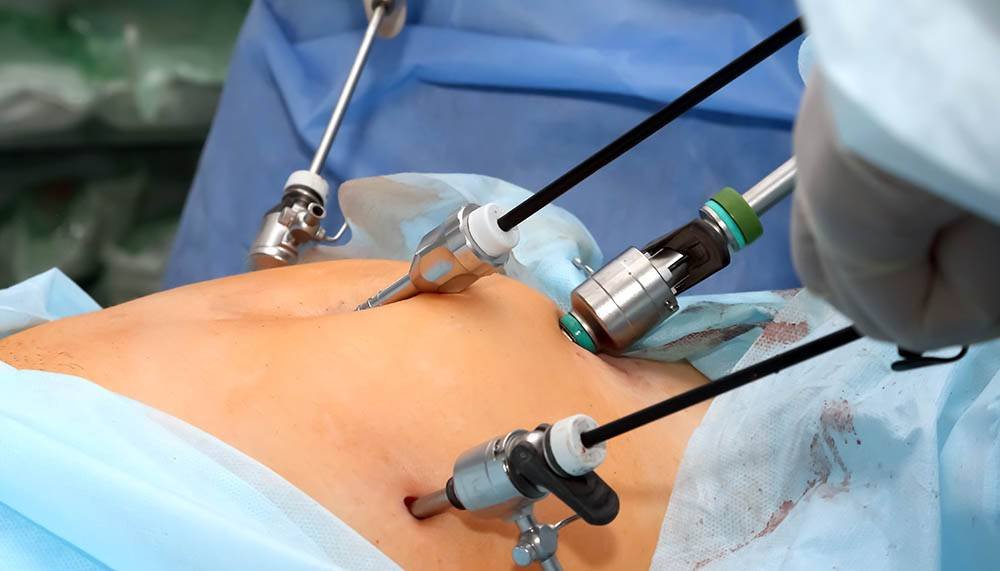
Transanal Total Mesorectal Excision (TaTME) is an advanced minimally invasive surgical technique used for selected patients with rectal cancer. The procedure allows surgeons to remove the rectum and surrounding mesorectal tissue through a combination of transanal and abdominal approaches. It is designed to provide precise access to the lower rectum and help achieve an appropriate cancer clearance while preserving important surrounding structures whenever possible.
The mesorectum is the fatty tissue surrounding the rectum that contains blood vessels, lymphatic tissue, and lymph nodes. In rectal cancer, complete removal of the mesorectum is an important part of achieving effective local cancer control. TaTME approaches the mesorectal plane from below, allowing the surgeon to work upward from the anal canal while another surgical team may work from the abdominal side.
TaTME may be considered for carefully selected patients, particularly when the tumor is located in the middle or lower rectum and conventional surgical access may be technically challenging. Patient selection depends on factors such as tumor location, size, stage, anatomy, involvement of nearby structures, and response to any treatment given before surgery. Detailed preoperative assessment with pelvic MRI, colonoscopy, clinical examination, and other investigations is essential.
During the procedure, the abdominal portion is usually performed using laparoscopic or robotic techniques, while the transanal portion provides direct access to the lower rectum. The surgeon carefully identifies and follows the appropriate anatomical planes around the mesorectum to remove the rectum and mesorectal tissue containing the tumor. Depending on the tumor's location and oncological requirements, the operation may include a low colorectal or coloanal reconstruction, allowing bowel continuity to be restored when it is considered safe.
One of the potential advantages of TaTME is improved visualization and access to the lower rectum. Approaching the surgical plane from below can be particularly useful in patients with a narrow pelvis, challenging anatomy, a low-lying tumor, or other technical factors that can make conventional rectal surgery more difficult. The technique may help surgeons achieve an appropriate distal margin and complete mesorectal excision in selected cases.
TaTME is a technically demanding procedure and requires specialized training and experience. Careful patient selection, standardized surgical technique, and a multidisciplinary approach are important to achieve good outcomes. The procedure is not appropriate for every patient with rectal cancer, and conventional laparoscopic, robotic, or open rectal surgery may be more suitable depending on the individual circumstances.
Before surgery, some patients may receive neoadjuvant treatment, such as chemotherapy, radiation therapy, or total neoadjuvant therapy, depending on the stage and characteristics of the rectal cancer. These treatments may be used to reduce the risk of recurrence, improve local disease control, and make surgery more effective.
After TaTME, patients are monitored for recovery of bowel function, healing, infection, bleeding, and other potential complications. Depending on the type of reconstruction and individual circumstances, a temporary diverting ileostomy may be created to protect the newly joined bowel while it heals. If a stoma is required, the surgical team will provide guidance regarding its care and the possibility of later reversal.
The removed specimen is examined by a specialist pathologist to assess the tumor, lymph nodes, surgical margins, and quality of mesorectal excision. These findings help determine the final stage of cancer and whether additional treatment or surveillance is required.
Transanal Total Mesorectal Excision is an important development in modern rectal cancer surgery, offering a specialized approach for selected patients with technically challenging rectal tumors. When performed by an experienced multidisciplinary team, TaTME aims to achieve appropriate cancer clearance while supporting preservation of bowel function and quality of life whenever safely possible.