

Laparoscopic Abdominoperineal Resection (APR) is an advanced minimally invasive surgical procedure used to treat selected cancers and other serious conditions involving the lower rectum and anal canal. The procedure involves removal of the anus, anal sphincter complex, and rectum, along with the affected surrounding tissues, followed by creation of a permanent colostomy. APR may be recommended when a tumor is located very low in the rectum or anal canal and cannot be safely removed while preserving the anal sphincter.
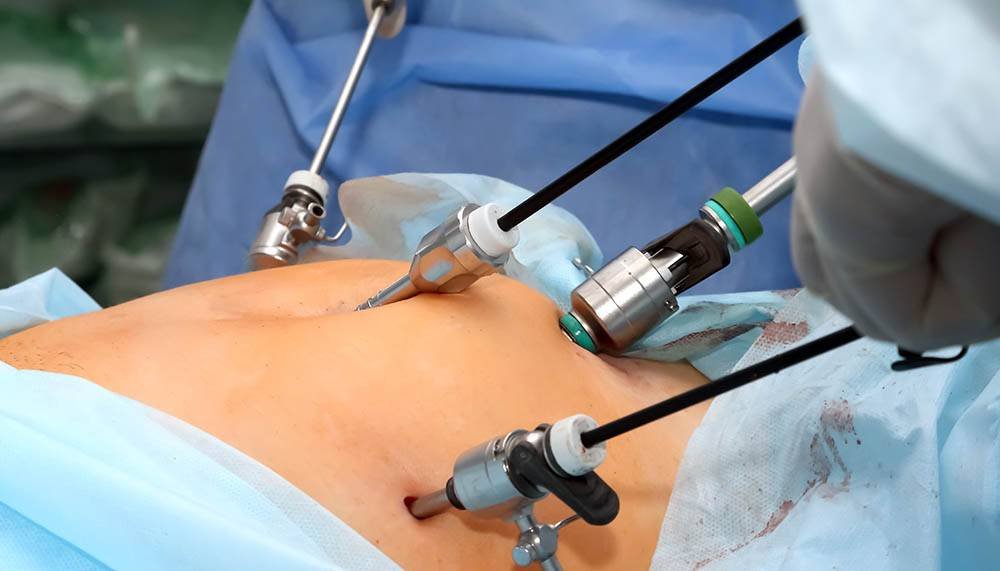
Unlike conventional open surgery, laparoscopic APR is performed through several small abdominal incisions using a high-definition camera and specialized surgical instruments. The laparoscope provides a magnified view of the abdominal and pelvic structures, allowing the surgeon to perform careful and precise dissection. The procedure generally involves both an abdominal phase and a perineal phase, with coordinated removal of the rectum and anus as a single surgical specimen.
For patients with low rectal cancer, the primary goal of APR is complete removal of the tumor with appropriate margins while reducing the risk of leaving residual disease. The surgery may include removal of surrounding fatty tissue and regional lymph nodes as part of the oncological resection. The exact extent of surgery is determined by the tumor’s location, size, stage, relationship with the anal sphincter and pelvic structures, and the patient’s overall health.
How Laparoscopic APR Is Performed
The abdominal portion of the procedure begins under general anesthesia. Several small incisions are made in the abdomen to allow insertion of the laparoscope and specialized surgical instruments. The surgeon carefully examines the abdominal cavity and identifies the colon, rectum, blood vessels, pelvic structures, and other relevant anatomy.
The sigmoid colon and rectum are mobilized, and the blood vessels supplying the affected bowel are carefully controlled according to the oncological surgical plan. The surgeon then performs precise dissection within the pelvis, following appropriate anatomical planes around the rectum. Particular attention is given to preserving important nerves and surrounding structures whenever possible while maintaining adequate cancer clearance.
The perineal phase involves an incision around the anus. The anal canal, sphincter muscles, and lower rectum are carefully removed along with the abdominally mobilized rectal segment. The rectum and anus are removed as one specimen when appropriate, allowing the surgeon to achieve the required surgical margins.
Because the anus and anal sphincter are removed during APR, normal passage of stool through the anus is no longer possible. Therefore, a permanent end colostomy is created. The healthy end of the colon is brought through an opening in the abdominal wall, known as a stoma, allowing stool to pass into a specially designed colostomy bag. Patients receive guidance from specialist stoma-care professionals to learn how to manage the colostomy and maintain normal daily activities.
APR for Low Rectal Cancer
Laparoscopic APR is most commonly associated with very low rectal cancers where sphincter-preserving procedures such as low anterior resection would not provide adequate tumor clearance or acceptable functional outcomes. The decision to perform APR is based on detailed assessment of the tumor and its relationship with the anal sphincter, pelvic floor, surrounding tissues, and other anatomical structures.
Before surgery, patients with rectal cancer may receive chemotherapy, radiation therapy, or combined chemoradiation as part of a neoadjuvant treatment plan. Such treatment may help reduce tumor size, control microscopic disease, and improve the chances of achieving an effective surgical resection. The final treatment plan is individualized and determined through multidisciplinary cancer evaluation.
Benefits of the Laparoscopic Approach
Laparoscopic APR uses smaller abdominal incisions compared with conventional open surgery. In appropriately selected patients, minimally invasive surgery may offer several potential benefits, including reduced postoperative pain, less blood loss, smaller abdominal scars, earlier mobility, shorter hospital stay, and faster recovery.
The magnified laparoscopic view can provide detailed visualization of the pelvis and surrounding structures. This may assist the surgeon in performing precise dissection through the narrow pelvic space while carefully identifying important blood vessels, nerves, and adjacent organs.
However, APR remains a complex major pelvic operation, and the minimally invasive approach does not eliminate the potential risks associated with extensive rectal cancer surgery. The choice between laparoscopic, robotic, and open surgery depends on the patient’s anatomy, tumor characteristics, previous operations, overall health, and the surgical team’s expertise.
Preoperative Evaluation
A detailed evaluation is performed before Laparoscopic APR. This may include colonoscopy and biopsy, pelvic MRI, CT scans, blood investigations, and other staging examinations. In selected patients, additional imaging may be performed to evaluate the liver, lungs, lymph nodes, or other areas for possible spread of disease.
The surgical team also evaluates nutritional status, general fitness, bowel function, existing medical conditions, and the patient’s ability to manage a permanent colostomy. Stoma-site marking and preoperative education are important components of preparation and are generally performed with the assistance of a trained stoma-care specialist.
Recovery After Laparoscopic APR
Recovery following Laparoscopic APR varies from patient to patient because the procedure involves extensive surgery in both the abdomen and pelvis. Patients are monitored closely after surgery for pain control, bowel function, wound healing, urinary function, nutrition, and other aspects of recovery.
Early mobilization is encouraged when medically appropriate to reduce the risk of complications and support recovery. Diet is gradually advanced according to bowel function and individual tolerance. Special attention is given to the perineal wound, as healing in this area can sometimes take longer because of the depth and location of the surgical site.
Learning to care for a permanent colostomy is an important part of postoperative recovery. Stoma-care specialists provide practical education regarding stoma cleaning, appliance changes, skin care, diet, hydration, and recognition of potential stoma-related problems. With appropriate support and education, many patients are able to manage their colostomy independently and return to their usual personal, professional, and social activities.
Potential Risks and Complications
As with any major surgical procedure, Laparoscopic APR carries potential risks. These may include bleeding, infection, blood clots, urinary problems, bowel obstruction, injury to nearby organs, wound complications, and complications related to anesthesia. Pelvic nerve injury may occasionally affect urinary or sexual function.
The perineal wound may require extended healing time and, in some patients, may develop infection, delayed healing, or other wound-related complications. The risk of complications depends on factors such as the extent of disease, previous treatment with radiation, nutritional status, smoking, diabetes, general health, and the complexity of the operation.
In certain circumstances, the surgeon may need to convert a laparoscopic procedure to open surgery if the disease is extensive, significant bleeding occurs, anatomical visibility is inadequate, or conversion is considered necessary for safe and complete removal of the disease.
Long-Term Care
For patients undergoing APR for rectal or anal cancer, long-term follow-up is an essential part of care. The final pathology report provides information regarding tumor characteristics, lymph node involvement, surgical margins, and disease stage. Depending on these findings, additional chemotherapy or other treatments may be recommended.
Ongoing surveillance may include clinical examinations, blood tests, colonoscopy, imaging studies, and other assessments according to the individual cancer treatment plan. Support for colostomy management, nutrition, physical recovery, and emotional well-being may also form an important part of long-term care.
Laparoscopic Abdominoperineal Resection is a complex but well-established surgical option for selected patients with very low rectal or anal canal disease where preservation of the anal sphincter is not considered safe or appropriate. By combining advanced minimally invasive abdominal surgery with precise pelvic and perineal dissection, the procedure aims to achieve effective removal of the disease while supporting recovery and long-term management through comprehensive multidisciplinary care.