

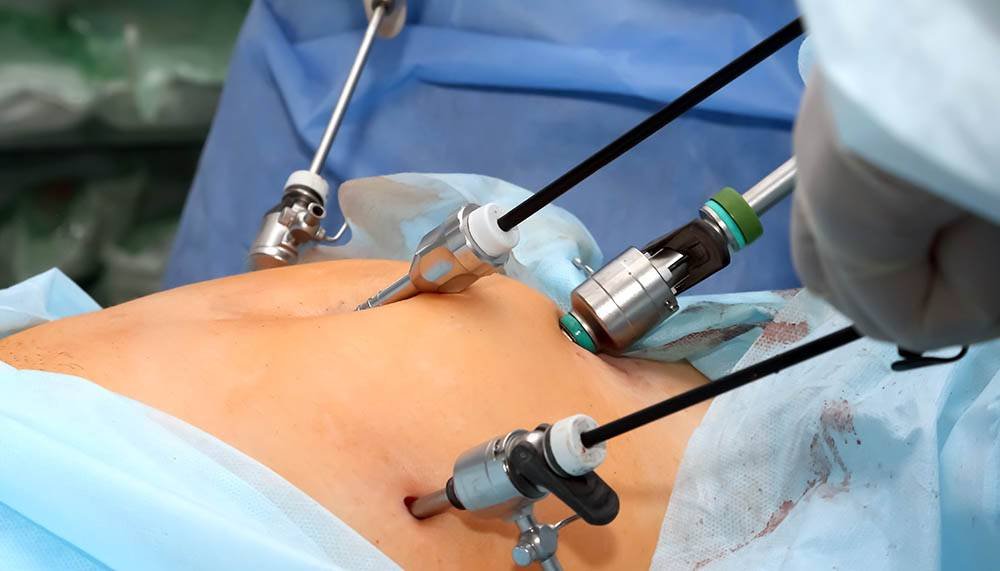
Laparoscopic Pancreatectomy is an advanced minimally invasive surgical procedure used to remove a diseased portion of the pancreas through small abdominal incisions. It may be performed for selected patients with pancreatic tumors, cystic lesions, neuroendocrine tumors, certain benign pancreatic conditions, and other diseases requiring surgical removal. The procedure aims to completely remove the affected pancreatic tissue while preserving as much healthy pancreatic tissue and surrounding organ function as safely possible.
During Laparoscopic Pancreatectomy, the surgeon makes several small incisions in the abdomen through which a high-definition laparoscope and specialized surgical instruments are inserted. The laparoscope provides a magnified view of the pancreas and surrounding structures on a surgical monitor. This enhanced visualization allows the surgeon to carefully identify important blood vessels, bile ducts, the stomach, intestines, spleen, and other nearby organs while performing precise dissection and removal of the diseased portion of the pancreas.
The type of pancreatectomy performed depends on the location, size, nature, and extent of the pancreatic disease. A distal pancreatectomy is commonly performed for lesions located in the body or tail of the pancreas and may sometimes involve removal of the spleen when medically necessary. In selected cases, a spleen-preserving approach may be possible. Other pancreatic procedures may involve more complex resections depending on the location of the disease and its relationship with nearby structures.
Laparoscopic Pancreatectomy may be considered for carefully selected patients with pancreatic cysts, pancreatic neuroendocrine tumors, certain early-stage pancreatic cancers, solid or cystic pancreatic tumors, and other lesions where surgical removal is appropriate. For patients with cancer, surgery may form one component of a multidisciplinary treatment plan that can include chemotherapy, radiation therapy, targeted treatment, or close postoperative surveillance depending on the individual diagnosis.
One of the important advantages of the laparoscopic approach is that it is performed through smaller incisions compared with conventional open surgery. In appropriately selected patients, minimally invasive pancreatic surgery may offer reduced postoperative pain, less blood loss, smaller scars, earlier mobilization, shorter hospitalization, and a faster return to routine activities. The magnified surgical view can also assist in the identification and careful handling of delicate anatomical structures.
Before surgery, a detailed assessment is performed to determine whether a patient is an appropriate candidate for Laparoscopic Pancreatectomy. Evaluation may include pancreatic-protocol CT or MRI, endoscopic ultrasound, blood investigations, assessment of pancreatic and liver function, and other diagnostic tests when required. The surgical team carefully evaluates the size and location of the lesion, involvement of nearby blood vessels or organs, the patient’s overall health, and the amount of healthy pancreatic tissue that can safely be preserved.
The procedure is performed under general anesthesia. After accessing the abdominal cavity, the surgeon carefully exposes the pancreas and identifies the affected area. Blood vessels and other structures are controlled as required, and the diseased pancreatic tissue is separated from surrounding healthy tissue. The resected specimen is removed and sent for detailed pathological examination to establish the exact diagnosis and determine whether further treatment is required.
In certain procedures, particularly distal pancreatectomy, the surgeon may need to manage the pancreatic remnant carefully to reduce the risk of postoperative pancreatic leakage. When the spleen is removed, appropriate postoperative precautions and preventive measures may also be required. The exact surgical technique is individualized according to the patient’s disease and anatomy.
Recovery following Laparoscopic Pancreatectomy varies depending on the extent and complexity of surgery, the underlying condition, and the patient’s general health. After the operation, patients are closely monitored for pancreatic function, blood sugar levels, digestion, fluid balance, wound healing, and possible postoperative complications. Food and activity are gradually introduced according to recovery, and nutritional support may be provided when necessary.
Because the pancreas plays an important role in digestion and blood sugar regulation, some patients may require ongoing monitoring after pancreatic surgery. Depending on the amount of pancreatic tissue removed, patients may experience changes in digestive function or blood glucose control. In selected cases, pancreatic enzyme replacement or diabetes management may be recommended as part of long-term care.
As with any major surgical procedure, Laparoscopic Pancreatectomy carries potential risks. These may include bleeding, infection, pancreatic fluid leakage, delayed stomach emptying, digestive difficulties, changes in blood sugar levels, blood clots, and injury to nearby structures. The risk of complications depends on the type and extent of surgery and the patient’s individual health. Careful preoperative planning and experienced postoperative management are essential for reducing these risks.
Laparoscopic Pancreatectomy is a technically demanding procedure that requires advanced minimally invasive surgical expertise and detailed knowledge of pancreatic and vascular anatomy. Not every pancreatic condition can be treated safely through a laparoscopic approach. If a lesion is extensive, involves major blood vessels or adjacent organs, or cannot be safely removed using minimally invasive techniques, an open surgical approach may be recommended.
With appropriate patient selection and experienced surgical care, Laparoscopic Pancreatectomy provides a modern treatment option for selected pancreatic diseases. By combining precise surgical removal with minimally invasive techniques, the procedure aims to achieve effective treatment of the underlying condition while preserving healthy pancreatic tissue whenever possible and supporting a smoother postoperative recovery.