

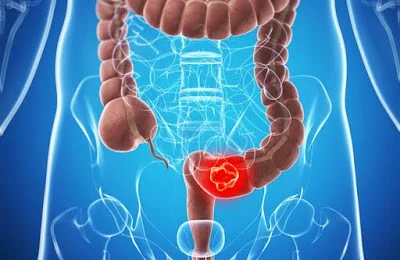
Anal canal cancer is a type of cancer that develops in the tissues of the anal canal, the final part of the digestive tract through which stool passes from the rectum out of the body. It is different from rectal cancer and requires a specific approach to diagnosis and treatment. Most anal cancers are squamous cell carcinomas, although other less common types can also occur.
Anal canal cancer may develop without obvious symptoms in its early stages. When detected early, it can often be treated effectively. The choice of treatment depends on the type, size, location, and stage of the tumour, as well as whether nearby lymph nodes or distant organs are involved.
Symptoms of Anal Canal Cancer
Common symptoms may include rectal or anal bleeding, pain or discomfort around the anus, a lump or growth near the anus, itching or irritation, changes in bowel habits, discharge from the anus, a feeling of fullness in the anal region, or difficulty controlling bowel movements.
These symptoms can also occur with common conditions such as haemorrhoids, anal fissures, or infections. However, persistent or unusual symptoms should be medically evaluated rather than assumed to be caused by a less serious condition.
Risk Factors
Several factors may increase the risk of developing anal canal cancer. Infection with certain types of human papillomavirus (HPV) is an important risk factor. Other factors may include a weakened immune system, smoking, a history of HPV-related conditions, and certain previous or ongoing anal or cervical abnormalities.
Having a risk factor does not mean that a person will develop anal cancer, and the disease can occur in people without obvious risk factors.
Diagnosis of Anal Canal Cancer
Diagnosis generally begins with a medical history and physical examination. A doctor may perform a digital rectal examination to assess the anal canal and surrounding tissues. Anoscopy or other endoscopic examinations may be recommended to obtain a closer view of the area.
If a suspicious lesion is identified, a biopsy is usually required to confirm the diagnosis. Imaging investigations such as MRI, CT, or PET-CT may be used when appropriate to assess the local extent of the tumour, nearby lymph nodes, and possible spread to other parts of the body.
Accurate staging is essential for developing an appropriate treatment plan.
Treatment of Anal Canal Cancer
Treatment depends on the tumour type, stage, location, and overall health of the patient. Unlike many colon and rectal cancers, most localized anal canal cancers are commonly managed initially with a combination of radiation therapy and chemotherapy rather than immediate major surgery.
This combined treatment approach can control the cancer while potentially preserving the anal sphincter and avoiding the need for permanent colostomy in many patients. Treatment is carefully planned to balance cancer control with preservation of normal bowel and anal function.