

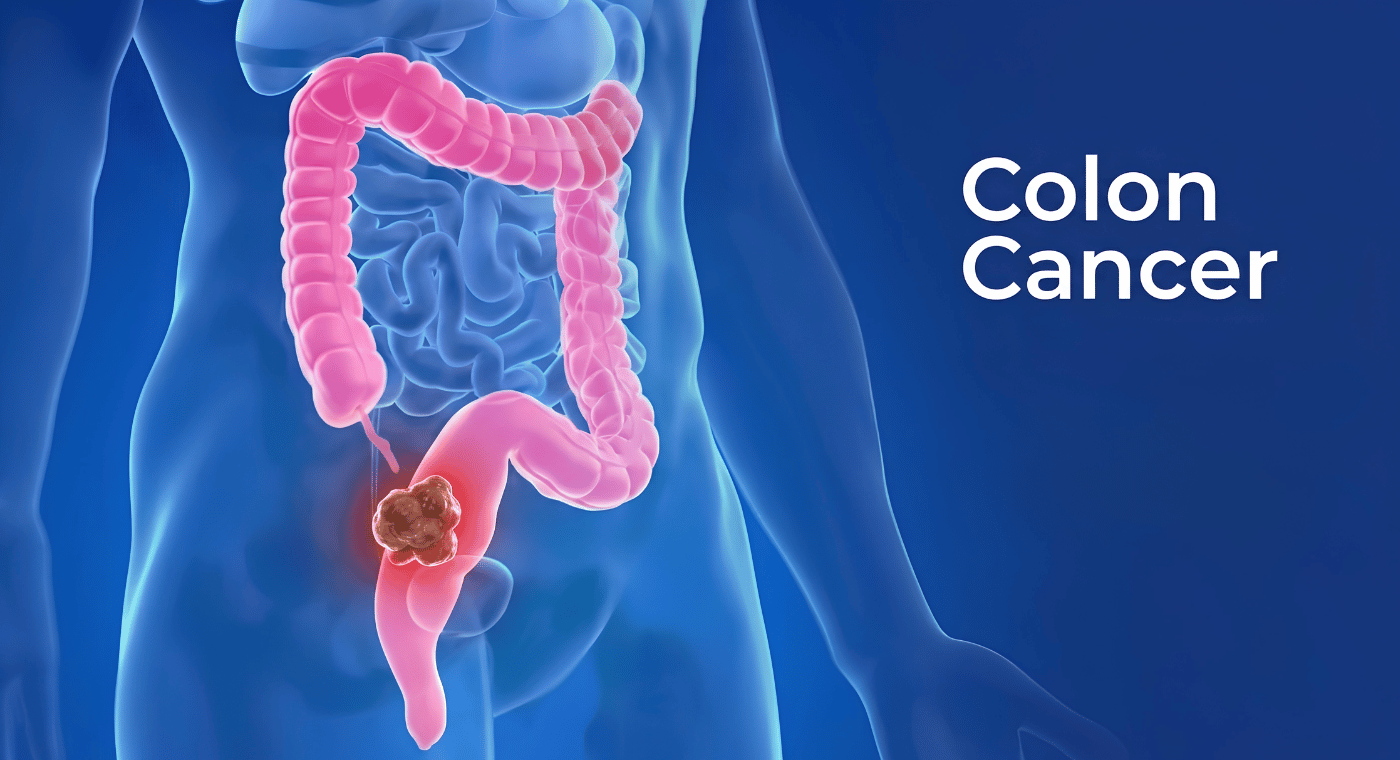
Colorectal cancer is a type of cancer that develops in the colon or rectum, which are parts of the large intestine. It often begins as small growths called polyps, some of which can gradually become cancerous over time.
When detected early, colorectal cancer can often be treated successfully. Regular screening, awareness of symptoms, and timely medical consultation play an important role in improving outcomes.
Common Symptoms
Colorectal cancer may not cause noticeable symptoms in its early stages. Possible signs include:
- Blood in the stool or rectal bleeding
- Persistent changes in bowel habits, including constipation or diarrhoea
- Abdominal pain, cramps, or discomfort
- Unexplained weight loss
- Persistent weakness or fatigue
- A feeling that the bowel does not empty completely
- Narrower-than-usual stools
- Unexplained iron-deficiency anaemia
These symptoms can also occur with conditions that are not cancer. However, persistent or unusual symptoms should be evaluated by a qualified doctor.
Risk Factors
The risk of colorectal cancer can increase with age and may be influenced by factors such as family history, certain inherited conditions, previous colorectal polyps, inflammatory bowel disease, smoking, alcohol consumption, obesity, physical inactivity, and certain dietary patterns.
Diagnosis and Treatment
Diagnosis may involve a clinical evaluation, blood tests, imaging studies, colonoscopy, and biopsy when required. Treatment depends on the stage, location, size, and characteristics of the cancer, as well as the patient's overall health.
Treatment options may include:
- Surgery to remove the cancer
- Minimally invasive or laparoscopic surgery when appropriate
- Chemotherapy
- Radiation therapy, particularly for selected rectal cancers
- Targeted therapy
- Immunotherapy for certain cancers
A multidisciplinary cancer team can help determine the most appropriate treatment plan for each patient.
Why Early Detection Matters
Colorectal cancer is often more treatable when identified at an earlier stage. Screening can also detect precancerous polyps, allowing them to be removed before they develop into cancer. Speak with your doctor about the screening approach and schedule appropriate for your age and individual risk factors.
Frequently Asked Questions
Colorectal cancer is cancer that develops in the colon or rectum, which are parts of the large intestine. It may begin as a polyp that gradually develops into cancer.
Common symptoms include blood in the stool, changes in bowel habits, abdominal discomfort, unexplained weight loss, persistent fatigue, and a feeling of incomplete bowel emptying.