

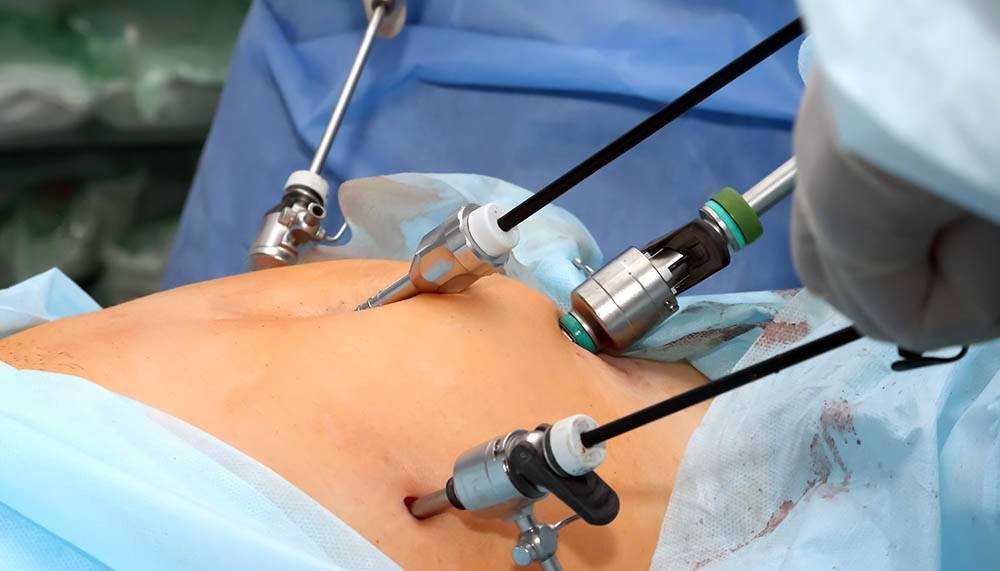
Laparoscopic Hepatectomy is an advanced minimally invasive surgical procedure used to remove a diseased or abnormal portion of the liver through several small incisions in the abdomen. It is performed for selected patients with liver tumors, metastatic cancers involving the liver, and certain benign liver conditions that require surgical treatment. The procedure allows the surgeon to remove the affected part of the liver while preserving as much healthy liver tissue as possible.
During Laparoscopic Hepatectomy, a small high-definition camera called a laparoscope is inserted through one of the abdominal incisions. The camera provides a magnified view of the liver and surrounding structures on a surgical monitor. Specialized instruments are introduced through additional small incisions, enabling the surgeon to carefully identify and divide blood vessels and bile ducts and precisely separate the diseased liver tissue from the healthy liver.
The extent of liver removal depends on the size, location, number, and nature of the lesion, as well as the patient’s overall liver function and general health. A limited liver resection may involve removing a small wedge or segment of the liver, while more extensive procedures may involve removal of one or more anatomical liver segments or sections. The surgical plan is carefully developed to achieve complete removal of the targeted disease while maintaining sufficient healthy liver tissue.
Laparoscopic Hepatectomy may be considered for selected primary liver tumors, colorectal cancer that has spread to the liver, other metastatic tumors, and certain benign or cystic liver lesions. In patients with cancer, the procedure may be performed as part of a comprehensive treatment plan and may sometimes be combined with other treatments depending on the location and extent of disease.
One of the major advantages of the laparoscopic approach is that it uses smaller incisions than conventional open liver surgery. In appropriately selected patients, this may lead to less postoperative pain, reduced blood loss, smaller scars, earlier mobilization, shorter hospital stay, and a faster return to normal daily activities. The magnified laparoscopic view can also provide excellent visualization of important anatomical structures, supporting precise surgical dissection.
Before surgery, patients undergo a detailed evaluation to determine whether Laparoscopic Hepatectomy is appropriate. This may include liver function assessment, blood investigations, ultrasound, contrast-enhanced CT or MRI scans, and other specialized investigations depending on the suspected disease. The number, size, and location of liver lesions, their relationship with major blood vessels and bile ducts, and the amount of healthy liver that can safely remain are important considerations when planning the procedure.
The operation is performed under general anesthesia. The surgeon carefully controls the blood vessels supplying the affected portion of the liver and removes the targeted liver tissue using specialized minimally invasive instruments. The specimen is then removed through an appropriately sized incision for pathological examination. During the procedure, meticulous attention is given to controlling bleeding and preventing bile leakage.
After surgery, patients are monitored for liver function, pain control, digestive recovery, wound healing, and other aspects of postoperative recovery. Dietary intake and physical activity are gradually increased according to individual recovery. Follow-up appointments are important to review the pathology results, assess liver function, monitor recovery, and determine whether additional treatment or surveillance is required.
Although Laparoscopic Hepatectomy can provide significant benefits, it is a complex procedure and may not be suitable for every patient. Factors such as extensive tumor involvement, difficult tumor location, involvement of major blood vessels, advanced liver disease, previous abdominal operations, or insufficient remaining healthy liver tissue may influence the choice of surgical approach. In some cases, open surgery or another treatment may provide a safer or more appropriate option.
As with any major liver surgery, potential risks include bleeding, infection, bile leakage, blood clots, injury to surrounding organs or structures, and temporary or, rarely, significant impairment of liver function. These risks are assessed carefully before surgery, and appropriate precautions are taken throughout the procedure and recovery period.
Laparoscopic Hepatectomy represents an important advancement in liver surgery, combining minimally invasive techniques with precise removal of diseased liver tissue. When performed in carefully selected patients by an experienced hepatobiliary and minimally invasive surgical team, it can provide effective surgical treatment while aiming to preserve healthy liver tissue and support a comfortable and efficient recovery.